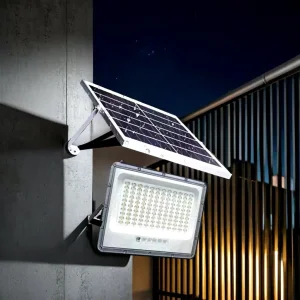
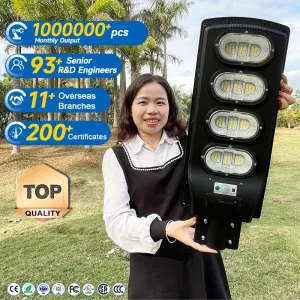
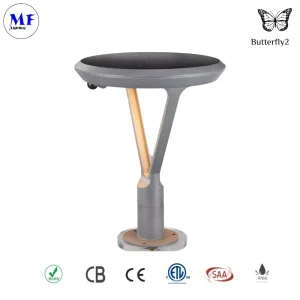
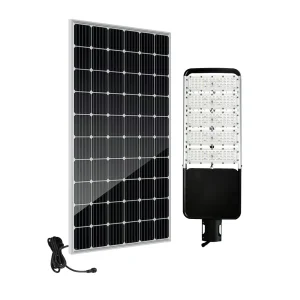
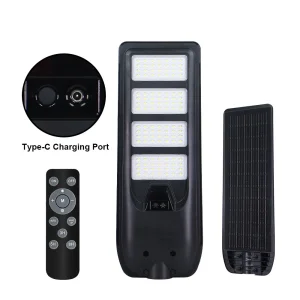
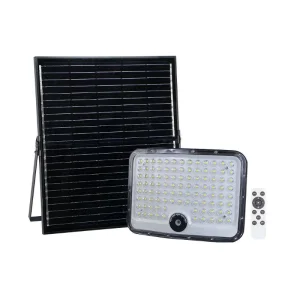
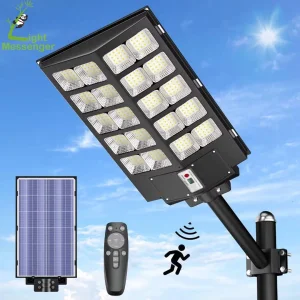
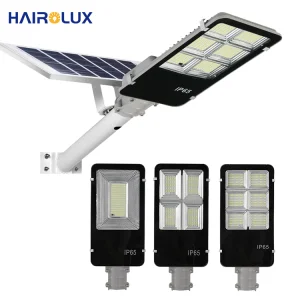
The global lighting industry is undergoing a paradigm shift. No longer are lights merely tools to dispel darkness; they have become intelligent nodes in a vast network of smart city infrastructure. Wireless motion sensor lights represent the pinnacle of this evolution. By decoupling lighting from the traditional electrical grid through solar power and integrating advanced Passive Infrared (PIR) or microwave sensors, these systems offer unprecedented flexibility and energy savings. In North America and Europe, the push for Net-Zero carbon emissions has made motion-activated lighting a regulatory requirement for many new commercial developments. Meanwhile, in emerging markets across Southeast Asia and Africa, wireless motion sensor lights are bridging the infrastructure gap, providing reliable safety illumination in areas where grid expansion is cost-prohibitive.
Reducing energy waste by up to 80% through intelligent dimming and on-demand illumination.
Utilizing high-efficiency solar cells and LiFePO4 batteries for 100% wireless operation.
Instant activation upon motion detection acts as a significant deterrent to unauthorized activities.
The next frontier for wireless motion sensor lights is the integration of AI-driven analytics. Future systems will be able to distinguish between a human, an animal, and a swaying tree branch, virtually eliminating false triggers. Furthermore, IoT connectivity allows facility managers to monitor the health of thousands of lighting units from a single dashboard, predicting battery failures before they happen and optimizing brightness levels based on historical foot traffic data.
As a leading Wireless Motion Sensor Lights Supplier, we are at the forefront of this trend, incorporating high-sensitivity sensors and smart controllers that support remote management via mobile applications and central management systems.
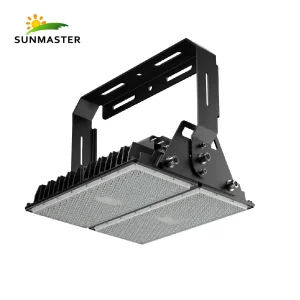
For B2B buyers, procurement managers, and municipal engineers, the challenge lies in finding a balance between initial capital expenditure and long-term reliability. Procurement needs have shifted from "lowest price" to "lowest total cost of ownership." This includes looking for products with IP66 or IP67 waterproof ratings, high-lumen output (lm/W) efficiency, and reputable certification profiles such as CE, RoHS, and ISO9001. As an experienced Exporter, we understand that supply chain stability, customization capabilities (OEM/ODM), and after-sales technical support are just as important as the product itself.
Customer Satisfaction
Export Countries
Factory Sqm
Technical Support
Wireless motion sensor lights find utility across a diverse spectrum of environments:
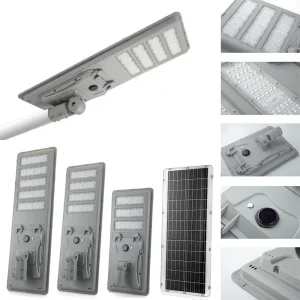
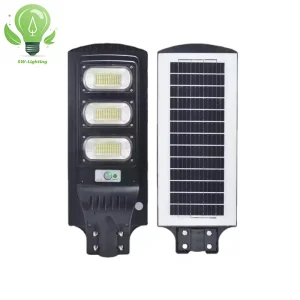
Our "All-in-One" and "All-in-Two" designs simplify installation significantly. There is no need for trenching or complex wiring. A single technician can install a motion-sensing street lamp in under 15 minutes, drastically lowering labor costs for municipal projects. This localized ease-of-use is a key driver for our high demand in the European and Australian markets.
Our factory located in Wenzhou City, one of the most important cities in China. Our company has 15,000 square meters of production and office construction area with more than 200 staff including 25 professional technicians, providing technical support for the production as well as developing new products for our customers.
We are a professional manufacturer of LED indoor and outdoor light. We have a strict quality control system and cost control system. Our product quality has been approved by ISO9001:2000 Quality Management System. "Quality and customer the first" is our persistent tenet. We integrate design, development, manufacture and sale together. Our products have been exported in many countries and regions worldwide.
We can accept OEM/ODM orders to enable you easy promotion of your brands in the markets. We sincerely welcome customers from both at home and abroad to visit us and keep long-term cooperative relationships with us.


 Glow Flashlight