How to Use Running Chest Lights in 2026?

Time:2026-10-09 Author:Amelia
0%

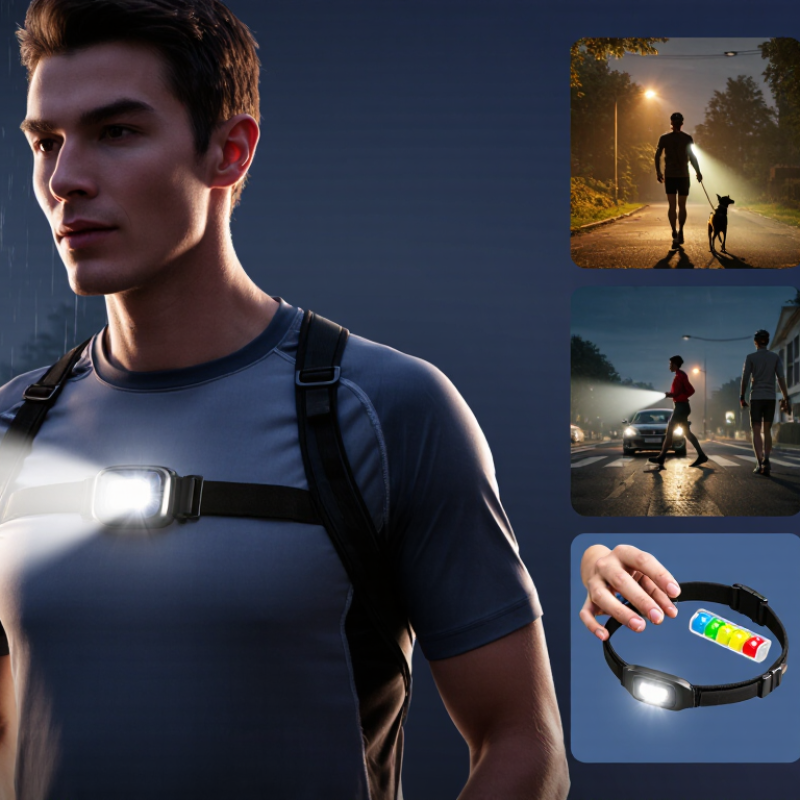
How to Use Running Chest Lights in 2026? The answer begins with a simple question: What are the most common uses for running chest lights? For many runners, these compact lights provide hands-free visibility during early-morning jogs, evening training, and winter sessions. They illuminate the path ahead while helping drivers, cyclists, and pedestrians notice movement from a distance.

“Visibility is part of running safely, not an optional extra,” says Dr. John Brewer, a sports-science educator and author focused on endurance performance. His point applies especially well to chest-mounted lighting. Unlike a handheld flashlight, a chest light stays stable while your arms move naturally. A wide beam can reveal uneven pavement, wet leaves, tree roots, or loose gravel before your next step.

Chest lights also serve trail runners, dog walkers, commuters, and outdoor workers. Some models include red rear lights, reflective panels, or adjustable brightness. Those details matter on shared paths. A bright beam may help, but excessive brightness can disturb other trail users or reduce comfort in fog and rain.

The best setup depends on your route. A low setting may suit a familiar sidewalk. A stronger beam works better on an unlit trail. Test the fit before running; bouncing straps become irritating quickly. I have found that “more light” is not always better. Battery life, beam control, weather resistance, and comfort deserve equal attention. This guide examines practical ways to use running chest lights in 2026, including their limits and the small mistakes runners often overlook.
How to Use Running Chest Lights in 2026?

What Running Chest Lights Are and Why Runners Use Them

How to Use Running Chest Lights in 2026?

A running chest light is a small lamp worn across the upper body. It shines forward while leaving your hands free. Unlike a headlamp, it keeps the beam lower and steadier. This can feel more comfortable on roads and uneven paths. The light usually includes adjustable straps, several brightness levels, and a rechargeable battery. Some models also provide a rear-facing red light for visibility.

Runners use chest lights to see surface changes before their feet reach them. Wet leaves, cracks, loose gravel, and shallow steps can appear suddenly after sunset. A forward beam also helps other people notice a runner earlier. This matters near crossings, shared trails, and poorly lit streets. Choose brightness according to your route, not the highest setting available. Excessive glare may disturb approaching walkers or cyclists.

Fit matters more than expected. The lamp should sit firmly without pressing against your chest. Test it with your usual jacket before a longer run. Check the battery in cold weather, because low temperatures can reduce running time. A common mistake is trusting the light without checking its angle. I would still carry a small backup light on unfamiliar routes. Chest lights improve awareness, but they cannot replace careful pacing, reflective clothing, and attention to traffic.

How to Choose the Right Running Chest Light

How to Use Running Chest Lights in 2026? The better question is how to choose one.

Night running deserves more than a bright gadget.

NHTSA’s Traffic Safety Facts 2022 recorded 7,522 pedestrian deaths in the United States, with 76% occurring in dark conditions.

That figure does not measure runners specifically, but it shows why visibility matters. A chest light should sit firmly across your torso, not bounce with every stride. Choose a wide beam for sidewalks and a narrower beam for unlit paths. A rear-facing red light adds useful recognition from behind. Small details matter.

Check measured runtime at your intended brightness, not the highest advertised setting. The ANSI/PLATO FL 1 flashlight standard provides a useful framework for comparing beam distance, runtime, and impact resistance. However, many running lights do not publish comparable test conditions. Be skeptical.

A 400-lumen claim may feel impressive, yet poor beam placement can leave your feet in shadow. I once preferred maximum brightness, then noticed glare reflected from wet pavement. Lower output worked better.

Look for adjustable angles, breathable straps, simple controls, and at least basic water resistance. The IP Code system can help, but an IP rating does not guarantee comfort or long-term battery health. Test the light during a short evening run. Walk first. Check whether it shifts, blinds others, or becomes uncomfortable after twenty minutes. Safety is rarely just brightness.

How to Wear and Adjust a Running Chest Light Correctly

How to Use Running Chest Lights in 2026?

A running chest light works best when it stays flat against your upper torso. Wear it over a thin shirt, not a loose jacket. The strap should feel snug, but breathing must remain easy. Place the light near your sternum, with the beam centered along your running path. Check that it does not bounce when you jog or climb stairs.

Adjust the shoulder straps evenly before leaving home. If the light points toward the ground, loosen the upper strap slightly. If it shines into approaching runners’ eyes, tilt it downward. A beam aimed several meters ahead usually gives enough visibility without causing glare. Keep the battery compartment secure, and check the charge before darker routes. Test it outdoors for two minutes. Indoor mirrors can hide movement that becomes obvious outside.

Small details matter. I once tightened a chest light too much, and the rubbing became distracting after twenty minutes. A softer base layer would have helped. If your clothing shifts, readjust the light rather than forcing the strap tighter. Sweat can also change the fit, especially during longer runs. Clean the lens after dusty or rainy sessions, because a thin film can weaken the beam. Replace damaged straps or cracked housings promptly. Personal comfort is useful evidence, but it should not replace the manufacturer’s fitting guidance or local visibility rules.

How to Use Running Chest Lights in Different Conditions

How to Use Running Chest Lights in Different Conditions

A chest light should help others notice you without distracting you. NHTSA’s 2022 Traffic Safety Facts recorded 7,522 pedestrian deaths in the United States. About 76% occurred in darkness. Wear the light above your jacket zipper, with the beam angled slightly downward. This reduces glare for approaching runners and drivers. Use a steady beam near traffic. A gentle flashing mode may work on quiet paths, but it can disturb other people. Keep it visible.

Clear nights need less brightness than wooded trails. On an unlit trail, select a wider beam for roots, stones, and sudden turns. Avoid pointing the light directly at eye level. In rain, wipe the lens frequently because water can scatter the beam. Choose a unit with a published ingress rating and test its controls with cold, wet fingers. The National Weather Service classifies dense fog as visibility at or below one-quarter mile. In fog, reduce speed and use a lower, forward-facing beam. Brighter is not always safer.

Battery performance changes with temperature and frequent high-power use. Check the charge before every run, especially during winter. Carry a small backup light on remote routes. This sounds excessive until the main light fades beside a dark road. I still think many runners overestimate brightness and underestimate contrast. Reflective clothing, predictable movement, and a charged chest light work better together. Before leaving, stand several meters away and ask someone whether the light is visible, comfortable, and not painfully bright.

How to Maintain, Charge, and Store a Running Chest Light

A running chest light is a small safety tool, but its care affects visibility. NHTSA’s Traffic Safety Facts 2022 recorded 7,522 pedestrian deaths in the United States. That figure does not prove a chest light prevents accidents. It does show why reliable visibility matters after sunset. Wipe sweat, dust, and road spray from the lens after each run. Check the strap, stitching, switch, and charging port for damage. IEC 60529 ratings also matter: IPX4 resists splashing, but it does not permit full immersion.

Charge the light indoors at room temperature. Use the supplied cable or a compatible replacement. Do not charge it while wet, hot, crushed, or covered by clothing. Stop using it if the battery swells, smells unusual, or becomes excessively warm. Battery guidance from the U.S. Department of Energy stresses temperature control and safe charging for lithium-based cells. A full charge before every run is convenient, but not always necessary. I sometimes forget this and shorten the battery’s useful life.

Tips: Let the light cool before charging. Store it around 40–60% charge when unused for several weeks. Keep it in a dry, ventilated drawer, away from keys and metal objects. Test brightness before leaving home. A monthly reminder helps. Reflective material may also deserve inspection, because a dim light is only part of the problem.

FAQS

How should a running chest light fit?

Place it above the jacket zipper, snugly across your torso. It should remain steady during each stride. Adjust the straps before leaving. A loose light can bounce and shift the beam.

Which beam shape works best for running?

A wide beam helps reveal roots, stones, and sudden turns. A narrower beam may suit familiar, well-defined paths. Choose based on the surface, not only distance. Your feet should not disappear into shadow.

How bright should a chest light be?

Use enough brightness to see the ground clearly. Maximum output is not always safer. Wet pavement can reflect harsh light into your eyes. I once preferred maximum brightness, then regretted the glare. Lower output worked better.

Should I use a steady or flashing mode?

Use a steady beam near traffic. A gentle flashing mode may suit quiet paths. However, flashing can distract or disturb others. Keep the beam angled slightly downward. Avoid eye-level lighting.

How should I use the light in rain or fog?

Wipe the lens often because water scatters the beam. Choose basic water resistance with a published ingress rating. In dense fog, use a lower forward-facing beam. Reduce your speed and watch the ground carefully. Brighter is not always safer.

How can I check the battery before running?

Check measured runtime at your chosen brightness. Do not trust the highest advertised setting alone. Cold weather and high power can reduce battery performance. Charge the light before every winter run. Batteries can disappoint.

What controls and comfort features matter most?

Look for breathable straps, simple buttons, and adjustable angles. Test the controls with cold, wet fingers. Wear the light for twenty minutes before a longer run. A water-resistance rating does not guarantee comfort. That distinction is easy to miss.

Is a chest light enough for visibility?

No. Combine it with reflective clothing and predictable movement. Ask someone to stand several meters away and check visibility. They should notice the light without finding it painfully bright. Carry a small backup light on remote routes. Brightness alone is an incomplete safety plan.

Conclusion

Running chest lights are wearable lighting devices designed to improve visibility and comfort during early-morning, evening, or low-light runs. What are the most common uses for running chest lights? Runners use them to illuminate paths, make themselves more noticeable to drivers and cyclists, and keep their hands free for a natural running motion. When choosing one, consider brightness, beam coverage, battery life, weight, weather resistance, comfort, and adjustable straps. A good chest light should stay secure without bouncing, rubbing, or restricting movement.

To use a running chest light correctly, position it firmly on the upper torso and angle the beam toward the ground without blocking your vision or shining directly into other people’s eyes. Adjust the fit and brightness for roads, trails, rain, fog, or dark routes. After each run, wipe away moisture and dirt, recharge the battery according to the device instructions, and inspect the straps and light housing for wear. Store it in a cool, dry place with the battery maintained as recommended, so it remains reliable for future runs.

Amelia

Amelia

Amelia is a seasoned marketing professional with a wealth of expertise in our company’s core offerings. With an unwavering passion for driving growth and innovation, she plays a pivotal role in shaping our marketing strategies and enhancing brand visibility. A key aspect of her responsibilities......