Understanding the longevity of outdoor LED lights is essential. Many people wonder, "Why do outdoor LED lights last longer than traditional bulbs?" The answer lies in technology and design.
LEDs, or Light Emitting Diodes, are more energy-efficient than conventional bulbs. They convert a higher percentage of energy into light. Traditional bulbs waste much energy as heat. This inefficiency reduces their lifespan significantly. LEDs also possess a solid-state structure. This makes them more resistant to impact and extreme weather conditions.
Moreover, the longevity of LEDs is enhanced by their ability to operate at cooler temperatures. They don’t heat up like incandescent or halogen bulbs. However, it's important to note that not all LED products are created equal. Some lower-quality options may fail earlier than expected. Consumers should consider trusted brands for reliability. Understanding these factors can help illuminate the reasons behind the impressive longevity of outdoor LED lights.
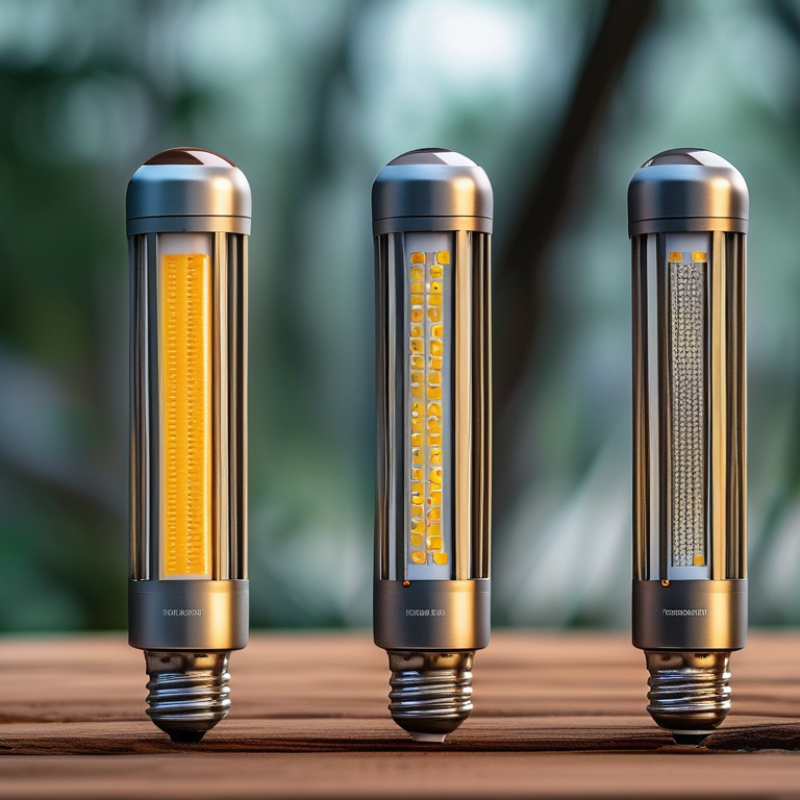
Understanding the Lifespan of LED Lights Compared to Traditional Bulbs
LED lights have a significantly longer lifespan compared to traditional bulbs. Research indicates that LED lights can last up to 25,000 hours or more, while incandescent bulbs typically last only about 1,000 hours. This remarkable durability stems from LED technology's efficiency, which minimizes heat production. In contrast, traditional bulbs convert most energy into heat rather than light, leading to a shorter lifespan.
Understanding the actual lifespan of these lighting options is essential. A report by the U.S. Department of Energy highlights that LEDs consume at least 75% less energy, contributing to their longevity. They are designed to withstand adverse weather conditions, making them ideal for outdoor use. However, it’s worth noting that extreme temperatures can affect their performance. Consumers often overlook this detail, leading to premature failures.
Tips: Regularly inspect outdoor lighting fixtures for dust and debris that can block light output. Consider installing LED lights in well-ventilated areas to extend their lifespan. Finally, while LEDs are more robust, ensure you choose products that suit your environmental conditions for optimal performance.
The Technology Behind LED Lighting: Key Features That Enhance Durability
Outdoor LED lights have gained popularity due to their remarkable longevity compared to traditional bulbs. The technology behind LED lighting plays a crucial role in their durability. LEDs harness solid-state technology, which makes them highly resistant to impacts. Unlike fragile glass bulbs, LED fixtures can endure harsh weather conditions. This resilience results in fewer replacements, saving both time and money.
Heat management is another key feature that enhances LED longevity. Traditional bulbs generate significant heat, leading to early burnout. In contrast, LEDs use efficient materials that dissipate heat effectively. This thermal efficiency allows LEDs to operate cooler, extending their lifespan. Choosing well-designed LED fixtures can significantly reduce the frequency of replacements.
**Tip:** When selecting outdoor LED lights, look for models with heat sinks. These components help manage heat while improving performance.
Another consideration is the quality of the components. Cheaper LEDs may be enticing, but they often compromise on durability. Investing in reliable products from trusted manufacturers can yield better long-term results.
**Tip:** Read reviews and check for certifications to ensure quality.
Environmental Resistance: How LED Lights Prevail Against Weather Conditions
Outdoor LED lights have gained prominence due to their durability in varying weather conditions. Unlike traditional bulbs, LED technology offers exceptional environmental resistance. This durability stems from the materials used in their construction, which withstand harsh elements such as rain, snow, and extreme heat.
A study by the U.S. Department of Energy found that LEDs can last up to 25,000 hours, far outlasting incandescent bulbs, which typically last about 1,000 hours. This longevity is crucial for outdoor applications where replacements can be cumbersome and costly. The ability to resist moisture and temperature fluctuation enhances their performance, reducing the frequency of replacements.
Tips: When selecting outdoor lighting, consider the IP rating, which indicates the level of protection against dust and water. An IP65 rating signifies robust resistance against outdoor elements, ensuring longer-lasting performance. Regular inspections help identify potential issues early, aiding in the maintenance of your lighting system. Exploring local climate conditions can also guide you in choosing the right fixtures for your environment.
Durability Comparison of LED Lights vs Traditional Bulbs
This chart compares the environmental resistance of LED lights against traditional bulbs across various factors. LED lights generally outperform traditional bulbs in heat, cold, water, dust, and impact resistance, highlighting their durability and suitability for outdoor use.
Energy Efficiency Metrics: Comparing Consumption and Longevity Between Bulbs
Energy efficiency is a key factor when comparing outdoor LED lights to traditional bulbs. A report by the U.S. Department of Energy highlights that LEDs can use up to 75% less energy than incandescent bulbs. This significant reduction in energy consumption translates into lower electricity bills for homeowners and businesses alike.
When it comes to longevity, LEDs shine brightly. They have an average lifespan of 25,000 to 50,000 hours, compared to just 1,000 hours for traditional incandescent bulbs. This means fewer replacements and less waste. However, some users may find that not all LED options perform equally in outdoor settings, especially in extreme temperatures.
Understanding energy efficiency metrics helps consumers make informed choices. A recent study indicated that an LED light, despite a higher upfront cost, can save over $200 in energy costs over its lifespan. These figures challenge some misconceptions that investing in energy-efficient technology is not worth it. Choosing the right lighting can lead to both cost savings and environmental benefits.
Cost-Benefit Analysis: Long-Term Savings with LED vs. Traditional Lighting
When comparing LED lights to traditional bulbs, the long-term cost benefits are hard to ignore. LED bulbs consume less energy, which translates to lower electricity bills. Over their lifespan, they can save homeowners significant money. Traditional incandescent bulbs, in contrast, often need replacement every few months. This frequent replacement can add up, making them more expensive in the long run.
Consider the lifespan of LED lights. They can last much longer, often exceeding 25,000 hours. This means fewer trips to the store and less hassle with replacing bulbs. The upfront cost of LEDs might seem higher, but their longevity and efficiency provide a compelling return on investment. It might take time to see these savings, but they are real and significant.
However, not all LED lights are created equal. Some may underperform or fail to meet expectations in brightness. This inconsistency can lead to confusion among consumers. It’s important to research and choose wisely based on reliable sources. Trying different options may help find the best balance between cost and performance, leading to better long-term satisfaction.
FAQS
: LED lights can last up to 25,000 hours or even more, far exceeding traditional bulbs.
LEDs are more efficient and produce less heat, reducing wear and tear on the bulbs.
Yes, extreme temperatures may impact LED performance, leading to potential early failures.
Regularly inspect fixtures for dust. Install them in well-ventilated areas for optimal performance.
LEDs are built with durable materials, allowing them to resist rain, snow, and extreme heat effectively.
Yes, cheaper options might compromise durability. Invest in reliable products for better long-term results.
An IP rating indicates protection against dust and water. Higher ratings denote better resistance to environmental elements.
Efficient heat management prevents early burnout and extends the lifespan of the lights significantly.
Check for reviews and certifications. Those indicators often correlate with better performance and durability.
Consumers often overlook environmental conditions, which can lead to premature failures and dissatisfaction.
Conclusion
The article "How to Understand Why Outdoor LED Lights Outlast Traditional Bulbs?" explores the reasons behind the superior longevity of LED lighting compared to traditional bulbs. A key factor is the technology employed in LED lights, which includes features that enhance durability and make them less susceptible to wear and tear. The study also highlights the environmental resistance of LED lights, demonstrating their ability to withstand various weather conditions that typically shorten the lifespan of conventional bulbs.
Additionally, the article delves into energy efficiency metrics, emphasizing how LED lights not only consume less energy but also provide extended service life, thus contributing to lower overall costs. Through a comprehensive cost-benefit analysis, it becomes clear that the long-term savings associated with LED lighting are significant. This accumulation of advantages leads to the essential question: Why do outdoor LED lights last longer than traditional bulbs? The answer lies in their advanced technology, environmental resilience, and energy-efficient design, all of which collectively enhance their operational lifespan.

 Glow Flashlight