What Are Tower Lights and How Do They Work?

Time:2026-03-13 Author:Henry
0%

Tower Lights are essential devices in various industries. They serve as visual indicators, alerting users to different equipment statuses. These lights come in various colors and can display multiple signals through a simple design.

Understanding how Tower Lights function is crucial for effective use. They consist of several components, including lamps and a control unit. When an event occurs, the system activates the appropriate light to communicate a message. The simplicity of operation masks a complex backdrop of technology and engineering.

However, not all applications utilize Tower Lights effectively. Some setups may choose outdated methods or ignore best practices. Individuals must reflect on their systems to enhance efficiency. Analyzing the use of Tower Lights can reveal insights and drive improvements in safety and operations.
What Are Tower Lights and How Do They Work?

What Are Tower Lights?

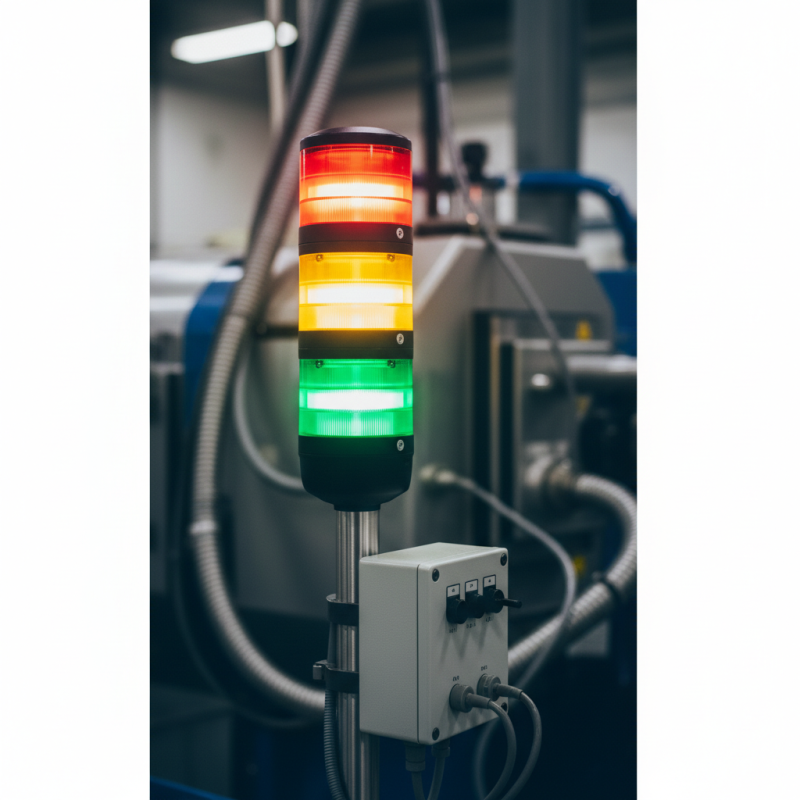
Tower lights are essential devices used in various industries. They serve as visual indicators, improving safety and communication on worksites. Typically, tower lights display different colors to denote specific machine statuses. For example, green may indicate everything is running smoothly, while red alerts workers to stop operation. The need for such visual systems is underscored by a report from the National Safety Council, which highlighted that effective signaling reduces workplace accidents by up to 30%.

Tower lights usually consist of multiple segments stacked on top of each other, with each segment lighting up independently. The versatility of these lights is notable. They are commonly found in manufacturing plants, warehouses, and service areas. According to a recent industry analysis, nearly 70% of operational safety managers note that implementing light indicators has significantly improved response times in emergencies. However, there remains room for improvement. Some workers may overlook these signals during high-pressure situations. Hence, training on proper response to tower lights is crucial.

Moreover, the effectiveness of tower lights can also depend on their visibility and placement. If not strategically positioned, they might not catch the attention of operators or team members. An organization might invest in high-quality lights, but if they do not ensure everyone is trained and aware, the outcome can be far from ideal. This shows that simply installing tower lights does not guarantee enhanced safety; systemic issues still need addressing.

What Are Tower Lights and How Do They Work?

Feature Description Common Use Cases Benefits
Visual Indicator Colored lights that signal machine status or alerts. Manufacturing, Warehousing Immediate visual feedback for operational status.
Sound Alarm Acoustic signals accompanying visual indicators. Industrial Equipment, Safety Alerts Enhanced attention to critical system alerts.
Modular Design Interchangeable sections for customization. Custom Applications, Flexibility in Setup Easier upgrades and adjustments according to needs.
LED Technology Energy-efficient lighting option that offers longevity. Outdoor Sites, Event Marking Lower energy costs and longer lifespan compared to other bulbs.
Connectivity Ability to connect with centralized control systems. Smart Factories, Automation Improved integration with existing system infrastructures.

The Components of a Tower Light System

Tower lights play a crucial role in various industrial settings. Understanding their components helps to appreciate their functionality. Typically, a tower light system consists of several parts, such as a light source, a mounting base, and an electrical connection. Each section contributes to the overall effectiveness of the system.

Light sources can vary, with LED options becoming increasingly popular. Reports indicate that LED tower lights consume up to 80% less energy compared to traditional bulbs. This efficiency not only reduces operational costs but also minimizes maintenance needs. The mounting base is essential, ensuring stability. It must be securely positioned to avoid accidents. For a well-functioning tower light, the electrical connections must be robust and reliable.

However, not all installations are flawless. Some sites may face challenges, like inadequate power supply or improper placement. Inadequate assessment can lead to suboptimal visibility and ineffective alerts. According to recent studies, 30% of workplace accidents occur because of poor signaling. This statistic highlights the need for proper installation and maintenance of tower light systems. Crafting an efficient tower light system requires careful consideration and a commitment to addressing potential flaws.

Tower Light Components - Bar Chart Representation

How Tower Lights Function and Indicate Status

Tower lights play a crucial role in industrial environments. They provide visual signals to indicate the status of machinery or operations. Typically, these lights are mounted on poles, allowing for visibility from a distance. Tower lights come in different colors, each signifying a specific status. For instance, green indicates normal operation, while red signals an alarm or issue.

Understanding how tower lights function can enhance workplace efficiency. When a machine is running smoothly, a steady green light is displayed. If attention is needed, yellow may flash intermittently. In contrast, a solid red light suggests immediate action is required. Operators can quickly assess the situation without needing to approach the equipment.

Tip: Regularly check the lights to ensure they are functioning properly. Any burned-out bulbs can lead to confusion.

It's important to recognize some limitations of tower lights. In noisy environments, the visual signals might be missed. Workers could find themselves uncertain about machine status. Therefore, combining visual signals with auditory alerts might be necessary.

Tip: Make sure everyone understands the color codes used. Clear communication is key to preventing misunderstandings.

Common Applications of Tower Lights in Industries

Tower lights are crucial in numerous industries, providing visual alerts for equipment status. These lights enhance safety by signaling machine operational states and potential hazards. For instance, in manufacturing, approximately 40% of workplace accidents are caused by poor visibility of equipment status. Tower lights address this challenge effectively.

In logistics, tower lights are extensively used in warehouses. They indicate the status of forklifts and conveyor belts. A survey by the Institute of Electrical and Electronics Engineers reported that deploying tower lights can reduce accidents by up to 30%. This statistic highlights their importance in maintaining a safe work environment.

Tips: Regular maintenance of tower lights is essential. Ensure they are visible and functioning properly. A simple check can prevent costly accidents. Additionally, consider customizing the light sequences for different tasks. This ensures everyone understands the status at a glance. Proper usage of tower lights can greatly enhance operational efficiency, making them indispensable in modern workplaces.

Maintenance and Troubleshooting for Tower Lights

Maintaining tower lights is crucial for their optimal performance. Regular checks help prevent unexpected failures. Inspect bulbs and connections monthly. Look for wear or corrosion. Sometimes, problems arise without warning. A sudden power outage can leave you in the dark.


Keep spare parts handy. They can save you time during repairs. If a light fails, start with the wiring. Faulty connections are common. Check fuses and circuit breakers. Replace them if necessary. An issue might seem daunting but could be simple.


Tips: Always document your maintenance routine. This will help identify patterns in failures. It’s useful for planning future checks. Consider using a checklist to track what you've done. Routine could reveal flaws in your setup. Regular attention can prevent larger issues down the line.

FAQS

: What are tower lights used for in industries?

: Tower lights provide visual alerts for equipment status, enhancing safety and signaling potential hazards.

How do tower lights improve workplace safety?

They indicate machine operational states, reducing the chance of accidents caused by poor visibility.

Where are tower lights commonly found?

They are widely used in manufacturing, logistics, and warehouses to show equipment status.

What impact do tower lights have on accident rates?

Surveys indicate they can reduce accidents by up to 30% in environments like warehouses.

Why is regular maintenance of tower lights important?

Maintenance prevents unexpected failures and ensures the lights function properly for optimal safety.

What should I check during tower light maintenance?

Inspect bulbs, connections, and look for signs of wear or corrosion monthly.

What should I do if a tower light fails?

Start by checking the wiring, fuses, and circuit breakers, as these issues can be simple.

How can I document maintenance routines effectively?

Use a checklist to track inspections and repairs, helping identify patterns in failures.

What is a common issue with tower lights?

Faulty connections are common. They can lead to unexpected failures if not addressed.

How can I customize tower light usage for my workplace?

Consider customizing light sequences to clearly indicate different status updates for tasks.

Conclusion

Tower lights are essential visual signaling devices commonly used in various industries to indicate equipment status and operational conditions. Comprised of several components, including light modules that emit different colors, a base for stability, and electrical connections, they provide clear communication by using visual signals like steady or flashing lights.

These lights function by illuminating in different colors to represent specific statuses, such as red for alarm conditions, yellow for warnings, and green for normal operations. Their versatility allows them to be employed in manufacturing settings, warehouses, and even in emergency response situations. Proper maintenance and troubleshooting are crucial to ensure their reliability, making them a vital component in enhancing safety and operational efficiency in many workplaces.

Henry

Henry

Henry is a dedicated marketing professional with a profound expertise in the company's offerings. With years of experience in the industry, he possesses an impressive understanding of the market dynamics and consumer behaviors that drive success. Henry is committed to sharing his insights through......