When planning outdoor adventures, lighting choices play a vital role. Many people overlook the importance of their flashlight. You might wonder, "Why should you switch to LED flashlights for outdoor use?" LED flashlights offer distinct advantages that make them superior. They are not only more durable but also energy-efficient. This means longer usage on fewer batteries, which is critical on extended trips.
Traditional flashlights burn out quickly and consume power fast. With LED, you get brighter light for longer periods. This is essential for nighttime hiking or emergencies. Visibility can mean the difference between a safe return and getting lost. Durability is another key factor. LED flashlights can withstand rough handling or challenging weather. However, it is essential to choose reliable brands. Not all LED products are created equal, and subpar options could drain your trust.
Sometimes, it can be hard to let go of what we know. Switching may feel daunting. But making this change can enhance your outdoor experience. The benefits of LEDs are clear, but finding the right model takes research. Be curious, explore options, and focus on your safety. With an LED flashlight, you’re investing in freedom and assurance during your adventures.
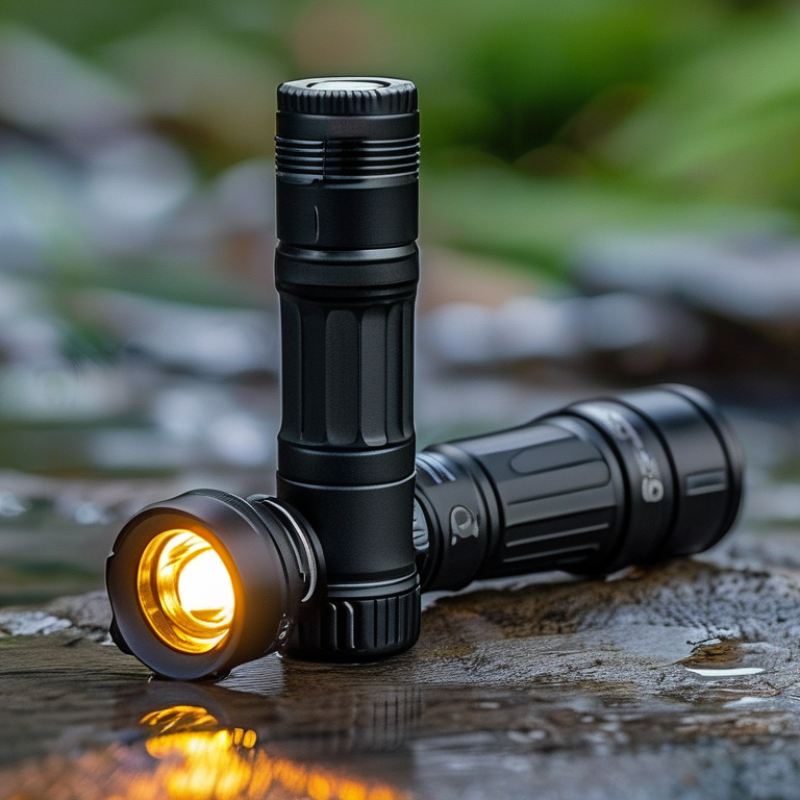
Benefits of LED Flashlights for Outdoor Activities
LED flashlights have become the go-to choice for outdoor activities. Their advantages range from energy efficiency to durability. You can rely on them during camping or hiking trips. The brightness of LED lights is impressive; they provide clear visibility in the darkest conditions. This is especially important when navigating unfamiliar terrains.
One of the main benefits of LED flashlights is their long battery life. They consume less energy compared to traditional bulbs, which means you won't have to replace batteries frequently. Extended use won't drain your power supply. Opting for rechargeable models adds even more value, allowing repeated use without added costs.
When choosing an LED flashlight, consider the lumens. More lumens mean more brightness. However, balance this with your battery needs—a bright, high-lumen flashlight often consumes more power. Remember the weight as well; lightweight flashlights are easier to carry on extended trips, making a difference during long hikes.
Despite their many benefits, flaws can exist. Some models may overheat or lack intensity. Always test your gear before relying on it for an important trek.
Comparing LED Flashlights to Traditional Flashlights
When considering flashlights for outdoor adventures, LED options are increasingly favored over traditional incandescent models. LED flashlights yield significantly higher lumens per watt. A recent report from the U.S. Department of Energy indicates that LED lights are 75% more efficient than traditional bulbs. This efficiency translates into longer battery life and less frequent replacements, making LED flashlights more cost-effective in the long run.
The durability of LED flashlights is another advantage. Unlike traditional models, which may shatter or break easily, LED options are often designed to withstand harsh conditions. They can handle drops, water exposure, and extreme temperatures, making them ideal companions for camping or hiking trips. LEDs also produce less heat, reducing the risk of burns during extended use—an essential factor for safety.
Tip: When choosing an LED flashlight, look for models with adjustable brightness settings. This versatility allows you to conserve battery life when needed. You should also consider weight and size; a lightweight flashlight is easier to carry during long hikes. Remember, not all LEDs are created equal. Research beam distance and runtime to ensure you select a model that meets your outdoor requirements.
Energy Efficiency and Longevity of LED Technology
When considering outdoor lighting, energy efficiency is a key factor. LED flashlights can consume up to 80% less energy than traditional incandescent models. This efficiency translates to longer use time on a single set of batteries, which can be vital during extended excursions. According to the U.S. Department of Energy, switching to LED lighting can save users approximately $3 billion annually in electricity costs across the country.
Longevity is another significant advantage of LED technology. Most LED flashlights have a lifespan of about 25,000 to 50,000 hours, compared to roughly 1,000 hours for incandescent bulbs. This durability not only reduces the frequency of battery replacements but also minimizes waste, aligning with environmental sustainability goals. Yet, it’s worth noting that short-term costs for LED flashlights may be higher. This can deter some consumers. However, the long-term savings and efficiency typically justify the initial investment.
This combination of energy efficiency and longevity makes LED flashlights a commendable choice for outdoor activities. Powering through the dark with confidence becomes easier when you rely on a technology that just works. Embracing it might still feel like a leap for some, but the benefits are hard to ignore.
Why You Should Switch to LED Flashlights for Outdoor Use?
| Feature |
Traditional Flashlights |
LED Flashlights |
| Lifespan |
1,000 hours |
25,000 - 50,000 hours |
| Energy Consumption |
2 watts |
1 watt |
| Light Output (Lumens) |
60-100 lumens |
200-1,000 lumens |
| Heat Emission |
High |
Low |
| Durability |
Prone to breakage |
Impact resistant |
| Weather Resistance |
Limited |
Water and dust resistant |
Durability and Weather Resistance of LED Flashlights
When it comes to outdoor adventures, durability and weather resistance are crucial for gear. LED flashlights excel in both areas. Their robust construction often outmatches traditional options. Waterproof ratings are common, ensuring they withstand rain. Many models can survive drops and rough handling without faltering.
LED flashlights utilize sturdy materials like aluminum and reinforced plastic. This makes them more resistant to wear and tear. In extreme conditions, such as heavy winds or snow, LED lights continue to perform reliably. They do not flicker or dim easily, providing consistent illumination.
Despite these advantages, not every LED flashlight is perfect. Some may struggle in extreme temperatures. Still, with proper care, these lights serve well over time. Choosing the right LED flashlight can enhance your outdoor experience. They offer peace of mind with their durability and resistance to the elements.
Cost-Effectiveness of Switching to LED Flashlights for Outdoor Use
Switching to LED flashlights offers significant cost-effectiveness for outdoor enthusiasts. The initial investment might seem higher compared to traditional bulbs. However, the long-term savings are substantial. LED flashlights use less energy and last much longer. This means fewer replacements and lower electricity costs.
Additionally, LED technology has advanced greatly. Some models boast lifespans of up to 50,000 hours. This durability means you won't need to buy new flashlights frequently. Consider how often traditional bulbs burn out after just a few uses. In contrast, an LED flashlight can go years without needing a replacement.
Moreover, the brightness of LED lights often surpasses that of traditional options. This enhances visibility on night hikes or camping trips. Understanding these factors can shift your perspective. The benefits of using LED are clear, yet some may still hesitate. Reflecting on the savings and performance could lead to a more informed decision.
FAQS
: LED flashlights are energy efficient, durable, and provide impressive brightness. They enhance visibility in dark conditions.
LED flashlights typically have longer battery life. They consume less energy, so battery replacements are less frequent.
Lightweight flashlights are easier to carry during hiking. They reduce fatigue on long trips and enhance mobility.
Look for adjustable brightness settings, light weight, and favorable beam distance. These factors help meet outdoor needs effectively.
Some LED models may overheat or lack intensity. Testing gear before use is essential to ensure reliability.
LED flashlights consume up to 80% less energy than traditional models. This efficiency can lead to significant cost savings.
Most LED flashlights last between 25,000 to 50,000 hours. This longevity reduces both replacements and environmental waste.
Yes, initial costs for LED flashlights may be higher. However, long-term savings often justify this upfront investment.
Yes, they are designed to withstand drops, water exposure, and extreme temperatures. This makes them reliable for outdoor use.
Yes, the combination of efficiency and durability offers substantial benefits. It may take time to adapt, but the advantages are notable.
Conclusion
When considering outdoor activities, "Why should you switch to LED flashlights for outdoor use?" becomes a pertinent question. LED flashlights offer numerous benefits over traditional flashlights, including superior energy efficiency and longevity, which allows for extended use without frequent battery changes. This means you can enjoy outdoor adventures longer without the hassle of dimming light or unreliable performance.
Moreover, LED technology is known for its durability and weather resistance, making it a reliable choice in various outdoor conditions. The cost-effectiveness of transitioning to LED flashlights also cannot be overlooked, as their long lifespan and minimal energy consumption contribute to overall savings. In summary, opting for LED flashlights enhances your outdoor experience through improved performance, reliability, and sustainability.

 Glow Flashlight