Solar flashlights offer a reliable light source, even on overcast days. But how do they accomplish this feat? Understanding the principles behind these devices can help us appreciate their functionality. Dr. Lisa Carter, a renewable energy specialist, explains, "Solar flashlights utilize ambient light for charging, making them effective even under clouds."
These flashlights function through solar panels that capture diffused sunlight. When clouds cover the sun, solar panels still absorb indirect light. Specially designed photovoltaic cells convert this light into electricity. Thus, the flashlight remains operational during less-than-ideal weather conditions.
However, not all solar flashlights perform equally in cloudy weather. Factors like panel quality and battery capacity play significant roles. Users may find some options lack efficiency in low-light scenarios. Reflecting on these technologies offers insight into their limitations and reliability. Understanding how does a solar flashlight work during cloudy weather can enhance our expectations and choice in these vital tools.
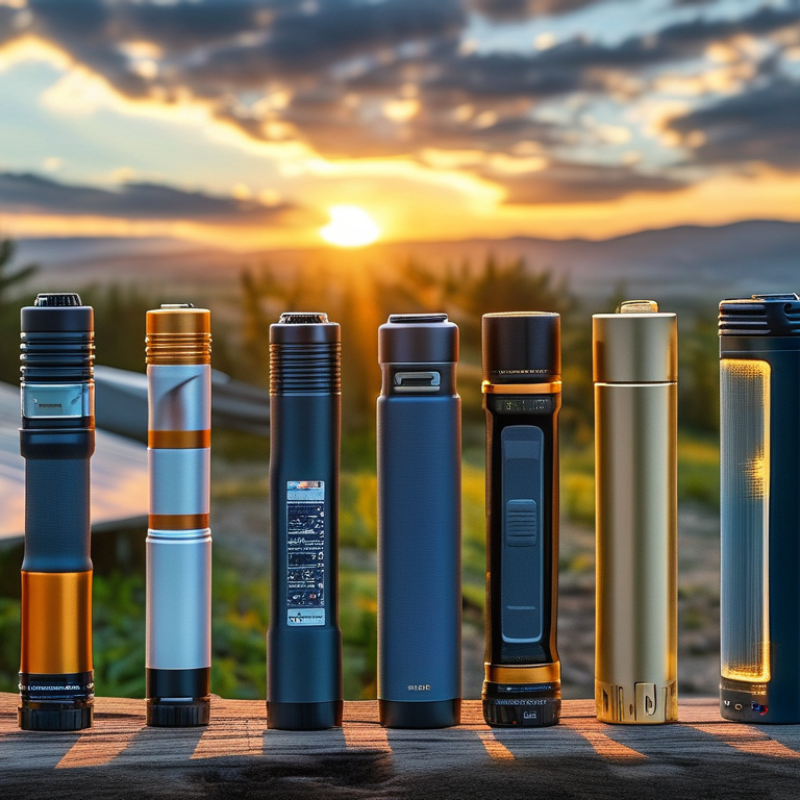
Solar flashlights leverage photovoltaic technology to harness sunlight for energy. They contain solar panels that convert solar energy into electricity. Even on cloudy days, these flashlights can efficiently capture indirect sunlight. According to the National Renewable Energy Laboratory, solar panels can still produce around 25% of their peak efficiency under overcast conditions.
The effectiveness of solar flashlights relies on battery storage. Most models have rechargeable batteries that store energy. This stored energy powers the flashlight when needed. It's worth noting that the duration of use depends on the size of the battery and the efficiency of the solar panel. Flashlights equipped with high-quality batteries tend to perform better, especially in low light conditions.
Tips: For optimal performance, place your solar flashlight in direct sunlight for several hours. Regularly clean the solar panels to maximize energy absorption. Remember, if the weather is consistently cloudy, consider charging your flashlight indoors with artificial light as a backup.
| Dimension | Description | Example Values |
|---|---|---|
| Solar Panel Efficiency | The ability of the solar panel to convert sunlight into electricity. | 15% - 22% |
| Battery Type | The type of battery used for storing energy generated by the solar panel. | Lithium-ion, NiMH |
| Charging Time | The time it takes for the flashlight to fully charge under optimal sunlight conditions. | 6 - 10 hours |
| Operating Time | The duration the flashlight can operate on a full charge. | 4 - 12 hours |
| Light Output | The brightness of the flashlight, typically measured in lumens. | 50 - 300 lumens |
| Use in Cloudy Weather | How effective the flashlight is at charging during overcast conditions. | Operates up to 40% efficiency |
: They use photovoltaic technology to convert sunlight into electricity for power.
Yes, they can capture indirect sunlight and still produce energy, though at reduced efficiency.
Battery storage size and solar panel efficiency are key factors in performance and duration.
Place it in direct sunlight, avoiding shaded areas. Adjust the angle for maximum exposure.
Regularly clean the solar panels to remove dust and debris that can impede efficiency.
Consider charging your flashlight indoors using artificial light as a backup to ensure functionality.
A well-angled panel absorbs more light, which enhances charging efficiency throughout the day.
No, some models charge slower under weak sunlight, so understanding specifications is vital.
While it reduces intensity, solar panels can still generate about 25% of their peak efficiency.
Regular checks on performance and understanding limitations can enhance your experience with solar flashlights.
Solar flashlights are innovative devices that harness solar energy through photovoltaic cells, enabling them to function even in less than ideal weather conditions. The core principle behind these flashlights is their ability to capture various wavelengths of light, including ultraviolet (UV) rays, which remain present even on cloudy days. This often leads to the question, "How does a solar flashlight work during cloudy weather?" The answer lies in the efficiency of solar panels, which can still absorb and convert diffuse sunlight into usable energy.
While many believe that solar energy is ineffective on cloudy days, the reality is that solar flashlights can still operate effectively. Users can maximize their efficiency by ensuring their flashlights are placed in areas that receive indirect sunlight. By debunking myths surrounding solar energy use during overcast conditions, individuals can fully appreciate the practicality of solar flashlights in diverse environments.

 Glow Flashlight