Choosing the right camping light can enhance your outdoor experience. A reliable light provides safety, comfort, and enjoyment. But with so many options available, how to choose the best camping light for your trip?
First, consider the type of camping you will be doing. Are you backpacking or car camping? The weight and size of the light matter. Battery life is also crucial. A dim light can spoil the mood. On the other hand, an overly bright light can attract unwanted insects.
Think about features that matter to you. Do you need a lantern for group activities? Or perhaps a headlamp for hands-free tasks? Also, check for durability. A light that can withstand harsh weather is essential. Reflect on what you truly need versus extras that may not serve you well. Your choice of camping light can make or break your adventure.
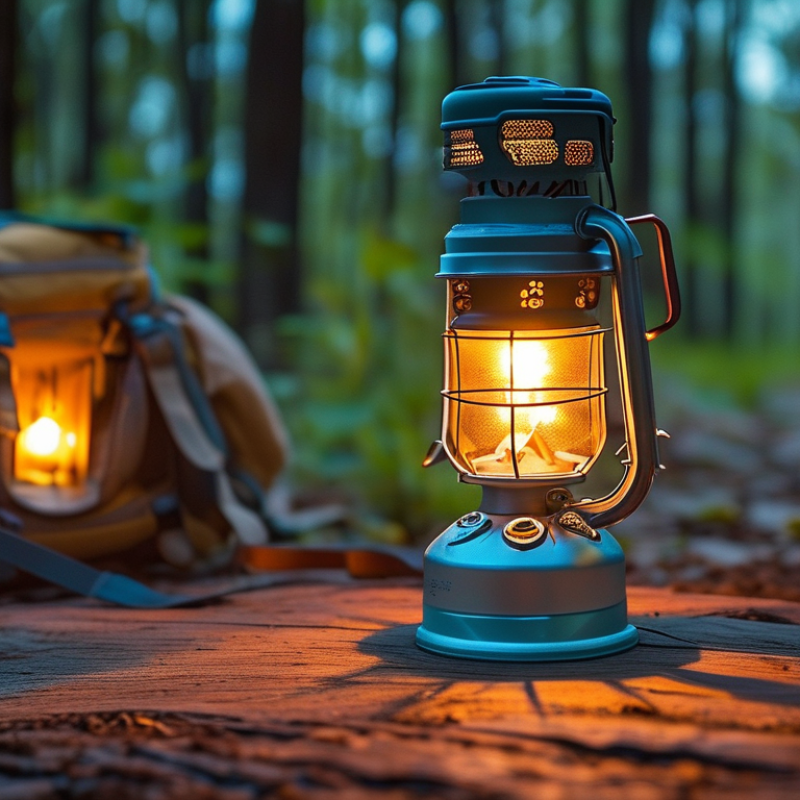
When planning a camping trip, choosing the right light can significantly affect your experience. There are several types of camping lights available. Each serves a specific purpose and can enhance your adventure in unique ways.
Lanterns are popular for cooking and gathering. They provide a broad, even spread of light. Unlike flashlights, their illumination is more diffused. Some models are rechargeable, which can save you battery costs. Headlamps are ideal for hands-free tasks. They allow you to move around while keeping your path illuminated. However, they can be uncomfortable if worn for long periods.
Solar lights offer an eco-friendly option, charging during the day and illuminating at night. They are reliable, but their brightness can vary. Battery-operated lights are often brighter but require extra batteries. It’s vital to assess your needs before making a choice. Remember, your light should be dependable and effective. Each type has its benefits and drawbacks to weigh carefully.
| Type of Camping Light | Description | Typical Usage | Battery Type | Lumens Output |
|---|---|---|---|---|
| Headlamp | A lightweight lamp worn on the head for hands-free lighting. | Hiking, cooking, reading at night. | Rechargeable or AAA batteries | 200-1000 lumens |
| Lantern | A portable light source that casts light all around. | Campsite, group gatherings, and cooking. | Rechargeable or D batteries | 300-1000 lumens |
| Flashlight | A handheld light source often used for focused lighting. | Navigating trails, emergencies, and close-up tasks. | Rechargeable or AA/AAA batteries | 100-1500 lumens |
| String Lights | Light strings that can be hung to provide ambient light. | Decorating campsites, around tents. | Battery-operated or plug-in | 50-300 lumens |
| Solar Lantern | A lantern powered by solar panels, eco-friendly option. | Ideal for extended camping trips. | Solar charging | 50-400 lumens |
: Lanterns are ideal as they provide a broad, even spread of light.
Yes, rechargeable models save battery costs but check their brightness and duration.
Headlamps are great for hands-free tasks, allowing movement while keeping the path lit.
Solar lights are eco-friendly but can vary in brightness.
Weight is crucial. A lightweight lamp enhances portability during hikes.
Focus on battery life and recharging options, along with light durability.
Yes, if camping in wet environments, waterproof lights are essential.
Reflect on activities planned and the type of environment you'll encounter.
Small, battery-operated lanterns can suffice for short trips but may lack brightness.
Choose sturdy materials that can withstand rough conditions.
When considering how to choose the best camping light for your trip, it's essential to understand the various types of camping lights available. From lanterns to headlamps, each type serves specific purposes, and knowing their functionalities can enhance your outdoor experience. Evaluating brightness in terms of lumens is crucial, as it directly affects visibility and ambiance at your campsite.
Additionally, battery life is a key consideration; you must decide between rechargeable and disposable options based on your trip duration and accessibility to power sources. Weight and portability are vital for those who wish to travel light, while durability and weather resistance are critical features to withstand outdoor conditions. By examining these factors, you can confidently select a camping light that meets your needs and enhances your adventure.

 Glow Flashlight