Understanding the duration of a rechargeable light on a single charge is crucial for users. Many wonder, “How long does a rechargeable light last on a single charge?” This question affects choices for outdoor activities and emergency preparedness. Battery life varies based on several factors, including the type of light, its brightness settings, and the battery capacity.
For instance, a small LED flashlight may provide hours of illumination, while a high-powered lantern might last only a few hours on maximum brightness. Users often overlook the importance of battery maintenance and charging cycles. Over time, rechargeable batteries can degrade, impacting performance.
This topic combines technical insight with practical experience. It's essential to understand both rated and real-world performance. Users frequently share conflicting opinions about light duration based on personal experiences, leading to confusion. By examining real-life scenarios and manufacturer claims, we can gain better clarity on battery life expectations.
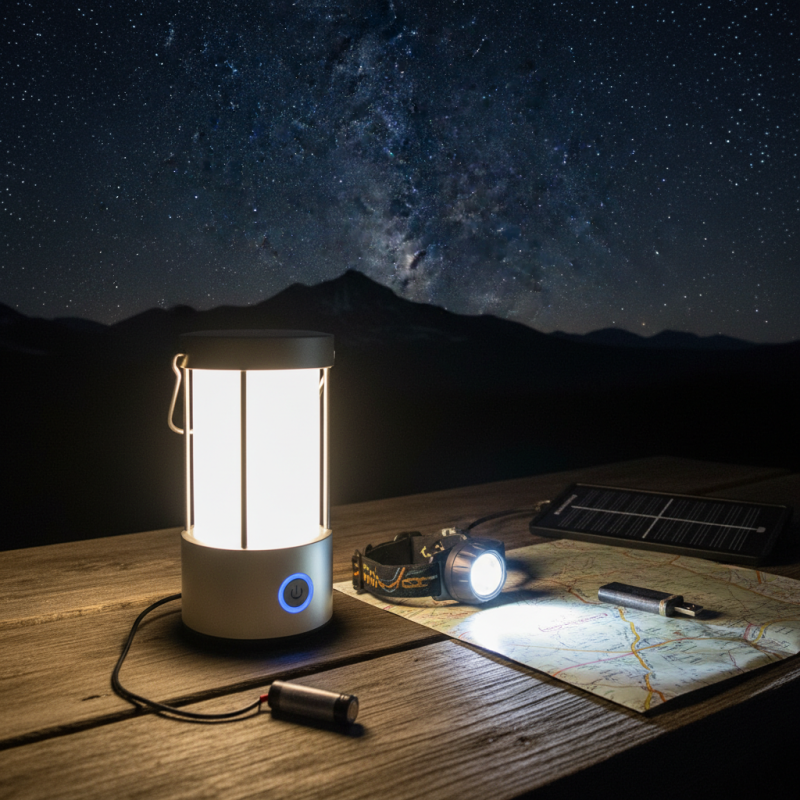
Factors Influencing Rechargeable Light Battery Life
When considering the battery life of rechargeable lights, several factors come into play. The type of battery used is crucial. Lithium-ion batteries tend to offer longer life spans compared to nickel-metal hydride options. Additionally, the quality of the battery can significantly affect performance. Low-quality batteries may deplete faster, leaving users disappointed.
Usage patterns also influence how long a rechargeable light lasts on a single charge. Frequent use at high brightness levels drains the battery quicker. For example, using a light consistently for extended periods can reduce its effective lifespan. Environmental conditions matter too; extreme temperatures can impair battery efficiency. In colder weather, batteries may not perform as well.
Lastly, the age of the light affects its battery life. Over time, batteries lose their ability to hold a charge effectively. This gradual decline can be frustrating and leads to unexpected interruptions. Regular maintenance and monitoring of battery health are essential. Paying attention to these factors can lead to better experiences with rechargeable lights.
Typical Runtime for Common Rechargeable Light Models
Rechargeable lights come in various models, each with unique runtimes. Typically, a standard LED flashlight offers around 2-12 hours of use per charge. Factors like brightness settings and battery capacity significantly affect overall performance. For instance, a high-lumen spotlight may last only 2-3 hours on maximum power. In contrast, energy-efficient models can extend run times to 10-12 hours on a lower setting.
Analysis from the International Association of Lighting Designers reveals that many users underestimate battery life. Users often expect consistent performance, yet real-world factors impact runtime. Temperature fluctuations and the age of the battery can lead to shorter usage times. Reports suggest that after about 300 charge cycles, lithium-ion batteries might only retain 70-80% of their original capacity.
Another important aspect is user habits. Leaving lights on without need can deplete batteries faster than anticipated. Many models feature power management systems designed to optimize efficiency. However, a lack of understanding about these features can lead to unexpected disappointments. Overall, knowing how long a rechargeable light lasts involves more than just specifications; it requires practical insights and awareness of personal usage patterns.
How Long Does a Rechargeable Light Last on One Charge? - Typical Runtime for Common Rechargeable Light Models
| Model |
Brightness Level (Lumens) |
Runtime (Hours) |
Battery Capacity (mAh) |
| Model A |
100 |
10 |
2000 |
| Model B |
200 |
6 |
2500 |
| Model C |
300 |
4 |
1800 |
| Model D |
150 |
8 |
2200 |
| Model E |
500 |
2 |
3000 |
Charging Techniques to Extend Light Lifespan
When it comes to rechargeable lights, charging techniques play a crucial role in determining their lifespan. Proper charging methods can extend the life of your light significantly. Research from industry experts indicates that maintaining a battery charge between 20% and 80% can lead to a 50% increase in battery longevity. Overcharging or letting the battery discharge completely can damage the cells, ultimately shortening the useful life of the light.
Using a smart charger is another effective strategy. Smart chargers can adjust the current and voltage, preventing overheating and overvoltage conditions. It's reported that lights charged with smart technology can last up to 25% longer than those charged using conventional methods. Furthermore, storing the light in a cool, dry place can protect the battery’s health. Extreme temperatures can lead to reduced charge capacity and damage.
Additionally, regular usage can also impact battery health. Infrequent use may cause the cells to degrade faster. It's essential to use the light periodically, even if only for brief periods. This practice can help maintain battery chemistry and prevent issues like capacity loss. Ignoring these practices can sometimes result in unexpected battery performance.
How Long Does a Rechargeable Light Last on One Charge?
This chart illustrates the expected duration of various types of rechargeable lights on a single charge. The data represents average lifespans in hours based on typical usage scenarios.
Signs Your Rechargeable Light Needs Replacement
Rechargeable lights are convenient, but they don’t last forever. Here are some signs that your rechargeable light may need replacement.
First, if you notice a decrease in brightness, it could indicate battery wear. A strong beam should illuminate well. If it flickers or dims, it's time to evaluate.
Another sign is charging issues. If the light takes unusually long to charge, it might be an aging battery. A good charger should fill a battery quickly. If your light fails to hold a charge, consider getting a new one. A fully functional light should maintain brightness for many hours.
Additionally, watch for physical damage. Cracks or leaks can compromise the light's performance. Even small dents may indicate deeper issues. Keep in mind that rechargeable batteries can swell or leak over time. Always handle with care and check regularly for these problems. Understanding these signs can help maintain safety and functionality.
Maintenance Tips for Optimal Battery Performance
When it comes to maintaining rechargeable lights, proper care is essential for ensuring optimal battery life. Batteries perform best when they are kept at a moderate temperature. Extreme heat or cold can degrade performance. Ideally, store your light in a climate-controlled environment. Regularly check the battery for any signs of swelling or leaks. These can indicate a need for replacement.
Charging practices also play a crucial role. Avoid letting the battery completely drain before recharging. Frequent partial charges can enhance battery longevity. Once fully charged, unplug the light to prevent overcharging. This helps maintain the battery’s health. Aim to use your light regularly. Just sitting unused can diminish its performance over time.
It's important to reflect on charging habits. Rushing through charges may lead to mistakes. Always follow the manufacturer’s guidelines where available. Consider keeping a log of charging times and usage. This can help identify patterns and optimize future performance. Regular maintenance checks are a good habit. They will ensure your rechargeable light remains reliable when you need it most.
Conclusion
When considering "How long does a rechargeable light last on a single charge?", several factors come into play that significantly impact battery life. These can include the type of battery, the light's brightness settings, and the overall design of the light itself. Typically, common rechargeable light models exhibit varying runtimes, with some lasting several hours while others may run for days depending on usage and conditions.
To extend the lifespan of a rechargeable light, using proper charging techniques is crucial. Regular maintenance, such as keeping the contacts clean and avoiding complete discharges, can optimize battery performance. Additionally, it’s essential to recognize signs that your rechargeable light may need replacement, ensuring you always have a reliable light source when you need it the most.

 Glow Flashlight