Why Do Outdoor LED Lights Outlast Traditional Bulbs?

Time:2026-05-01 Author:Oliver
0%

Outdoor lighting has evolved, and one question stands out: Why do outdoor LED lights last longer than traditional bulbs? Understanding this can help consumers make informed choices.

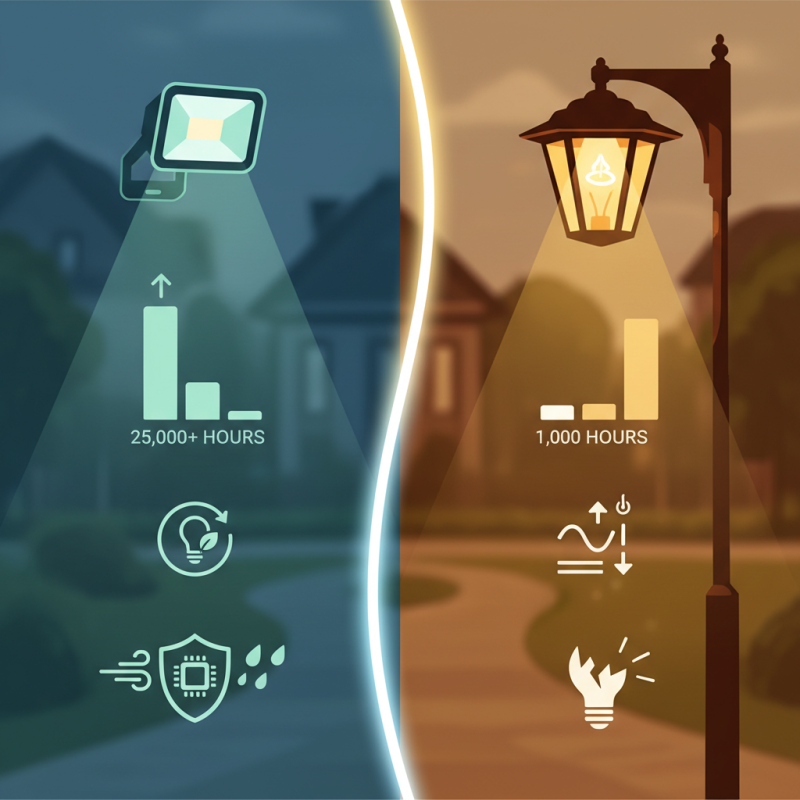
LED lights are energy-efficient. They convert a higher percentage of electricity into light. In contrast, traditional bulbs waste energy as heat. This efficiency translates into longevity. LED lights often last up to 25,000 hours or more. Traditional incandescent bulbs may only last about 1,000 hours.

The technology behind LED lights also plays a crucial role. LEDs are robust and less prone to damage. They withstand harsh weather and impacts better. However, not all LED products are the same. Some may not last as long if they are of low quality. Consumers should focus on reputable brands for reliability.
Why Do Outdoor LED Lights Outlast Traditional Bulbs?

Understanding the Basics of Outdoor Lighting Technologies

Outdoor lighting technologies have evolved significantly. LED lights have become increasingly popular for various reasons. Their energy efficiency is impressive. This leads to lower utility bills, which attracts many homeowners.

LEDs emit bright light while using less energy. Traditional bulbs waste a lot of energy as heat. They tend to burn out quickly. In contrast, LEDs can last for years, sometimes even decades. This longevity is crucial for outdoor applications, where frequent replacements can be burdensome.

Understanding the materials used in these lights is essential. LEDs use semiconductors for light generation. This technology is more durable than the filaments used in traditional bulbs. However, the initial cost of LEDs can be higher. This poses a challenge for some consumers. The decision often requires careful thought and budgeting. Balancing initial investment with long-term savings is important.

Comparing Lifespan: LED Lights vs. Traditional Bulbs

When comparing the lifespan of outdoor LED lights and traditional bulbs, the difference is significant. LED lights often last 15 to 25 times longer than incandescent or halogen options. While traditional bulbs may last around 1,000 hours, LED lights can shine for 15,000 to 50,000 hours. This remarkable durability stems from how LEDs produce light. They convert electricity into light more efficiently, generating less heat.

Using LED lighting can also enhance safety outdoors. The consistent brightness reduces the chances of accidents in dark areas. Additionally, LEDs are less prone to breakage due to their sturdy technology. Many outdoor spaces can benefit from this longevity. However, it’s important to remember that poor-quality LEDs may not deliver optimal performance. Evaluating specifications and certifications can provide clarity.

Tips: Select fixtures designed for outdoor use. Consider brightness levels and color temperatures to suit your space. Installing lights in a well-shaded area can further extend their lifespan. Regular maintenance, like cleaning lenses, can help prevent issues that may shorten life expectancy.

Why Do Outdoor LED Lights Outlast Traditional Bulbs? - Comparing Lifespan: LED Lights vs. Traditional Bulbs

Light Type Average Lifespan (Hours) Energy Consumption (Watts) Heat Emission (°C) Durability (Impact Resistance)
LED Light 25,000 - 50,000 5 - 20 30 - 50 High
Incandescent Bulb 1,000 - 2,000 40 - 100 80 - 150 Low
CFL (Compact Fluorescent Lamp) 7,000 - 15,000 9 - 15 60 - 80 Medium
Halogen Bulb 2,000 - 4,000 30 - 70 100 - 200 Medium

Key Advantages of LED Technology in Outdoor Applications

LED technology has transformed outdoor lighting due to its numerous advantages over traditional bulbs. One significant benefit is energy efficiency. Reports indicate that LED lights consume up to 80% less energy than incandescent bulbs. This energy saving translates to lower electricity bills for homeowners and businesses alike. The longevity of LED lights is impressive as well. They can last up to 25,000 hours, compared to the 1,000-hour lifespan of typical incandescent bulbs.

Additionally, LEDs emit less heat than their traditional counterparts. This reduces the risk of heat-related issues, such as fire hazards. In outdoor settings, where fixtures can be exposed to various elements, this feature shines. Moreover, LEDs are more durable and resistant to impact and vibration. According to a study by the Department of Energy, using LED outdoor lighting can decrease maintenance costs significantly.

Another pivotal aspect is their environmental impact. LEDs are free from toxic materials like mercury, which is commonly found in traditional bulbs. Thus, they pose less risk during disposal. Despite these advantages, the initial costs for LED installations may deter some. However, the long-term savings and benefits often outweigh these upfront expenses. Transitioning to LED technology is a wise investment for sustainable outdoor lighting solutions.

Energy Efficiency and Cost Savings of Outdoor LED Lights

Outdoor LED lights have become increasingly popular due to their energy efficiency and cost savings. These lights use 75% less energy compared to traditional incandescent bulbs, according to the U.S. Department of Energy. In many applications, LEDs can last up to 25,000 hours or more, significantly reducing the frequency of replacements. This longevity not only minimizes maintenance efforts but also lowers the overall cost associated with lamp changes.

Moreover, LED lights produce less heat, which can be beneficial for safety and efficiency. Traditional bulbs waste about 90% of their energy as heat. This heat loss is not only inefficient but can also raise cooling costs in warmer climates. The U.S. Environmental Protection Agency estimates that switching to LEDs can save an average household over $100 per year on electricity bills.

However, the initial investment in LED technology can be a barrier for some consumers. While prices have decreased over the years, upfront costs still need consideration. It may take time to realize significant savings, even with the long-term benefits. Education on LED technology remains crucial, as many still underestimate its advantages. Investing in energy-efficient lighting leads to both environmental and financial returns.

Factors Impacting the Durability of Outdoor Lighting Solutions

Outdoor LED lights significantly outlast traditional bulbs due to various factors impacting their durability. One major aspect is their energy efficiency. Reports indicate that LED lights consume up to 75% less energy than incandescent bulbs. This lower energy usage leads to less heat generation. Excess heat can degrade bulb materials, shortening their lifespan.

Another critical factor is construction quality. LEDs are typically made with robust materials like aluminum and polycarbonate. These materials enhance resistance to environmental conditions. Traditional bulbs often use fragile glass that breaks easily. A study by the U.S. Department of Energy suggests that LEDs can last up to 25,000 hours or more. In contrast, incandescent bulbs average only about 1,000 hours of use.

Weather resistance also plays a significant role. Outdoor LED fixtures are designed to withstand rain, snow, and varying temperatures. They often have a higher IP rating, which indicates better protection against dust and water. Despite these benefits, not all LEDs perform equally well in all conditions. Lights installed in overly humid areas may still face challenges. This variability highlights the importance of selecting the right specifications for specific environments.

FAQS

: How long do LED lights typically last compared to traditional bulbs?

: LED lights can last 15,000 to 50,000 hours, significantly longer than traditional bulbs, which last around 1,000 hours.

What makes LED lights more energy-efficient?

LEDs convert electricity into light more efficiently and generate less heat, leading to energy savings.

Are LED lights safe for outdoor use?

Yes, LEDs provide consistent brightness, reducing accidents in dark areas, and are less prone to breakage.

How do I choose the right LED lights for outdoor use?

Select fixtures designed for outdoor settings, consider brightness and color temperature, and ensure proper installation conditions.

Do LED lights help reduce maintenance costs?

Yes, LED lights decrease maintenance costs significantly due to their long lifespan and durability compared to traditional bulbs.

What environmental benefits do LEDs offer?

LEDs contain no toxic materials like mercury and are less harmful during disposal, making them eco-friendly.

Are there any downsides to LED lighting?

Poor-quality LEDs may not perform well. It's essential to evaluate specifications and certifications before purchasing.

Why might some hesitate to switch to LED lighting?

The initial installation costs may seem high, but long-term savings usually justify the investment.

What maintenance do LED lights require?

Regular maintenance includes cleaning lenses to prevent issues that may shorten their lifespan.

Can poor installation affect LED light performance?

Yes, improper installation or placement in unsuitable areas can negatively impact LED longevity and brightness.

Conclusion

Outdoor LED lights have gained popularity over traditional bulbs due to their impressive longevity, sparking the question, "Why do outdoor LED lights last longer than traditional bulbs?" The core difference lies in the technology. LEDs use semiconductor materials that emit light more efficiently, resulting in lesser heat production and lower energy consumption. This efficiency not only extends their operational lifespan but also makes them more reliable in various outdoor conditions.

Comparatively, traditional bulbs, such as incandescent or halogen, are prone to filament breakage and burn out faster due to higher heat generation. Additionally, LEDs offer significant energy savings and cost efficiency, making them an optimal choice for outdoor lighting. Factors such as weather resistance and lower degradation rates further contribute to the durability of LED lights, solidifying their position as the superior choice for outdoor applications.

Oliver

Oliver

Oliver is a seasoned marketing professional with a wealth of expertise in driving brand awareness and engagement. With a deep understanding of our company's product offerings, he consistently delivers high-quality content that enriches our professional blog. His insights not only shed light on......