LED lights have gained popularity for various reasons, primarily their energy efficiency. A common question arises: "Why do LED lights use less power than traditional bulbs?" To understand this, we need to look closely at their design and technology.
Traditional incandescent bulbs work by heating a filament until it glows. This process wastes a significant amount of energy as heat, leaving less for actual light. In contrast, LED lights use semiconductor materials. They convert electricity directly into light, which requires less energy. This makes them much more efficient.
Moreover, LED lights last longer than traditional bulbs. They can operate for tens of thousands of hours. In the long run, this reduces waste and saves money. While some may find LED lights initially expensive, the benefits often outweigh the costs. Reflecting on these factors, it’s clear why more people are switching to LED technology.
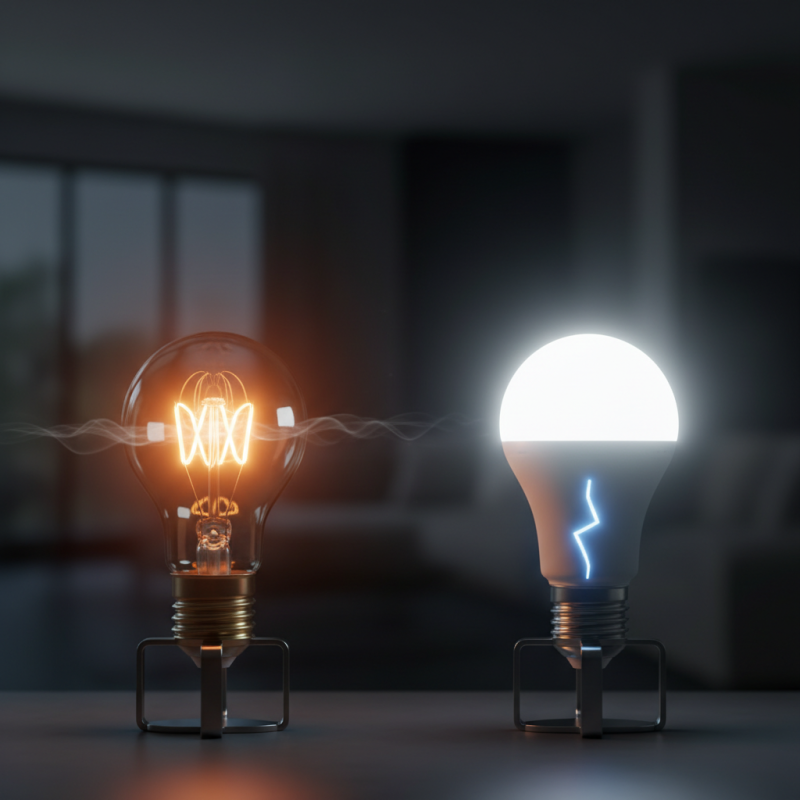
LED lights represent a significant advancement in lighting technology. They utilize semiconductor materials to produce light. Unlike traditional incandescent bulbs, which generate light through heat, LEDs convert most of their energy into visible light. This efficiency means less energy wasted as heat.
According to the U.S. Department of Energy, LEDs use at least 75% less energy than incandescent bulbs. This statistic is substantial. In practical terms, replacing a single incandescent bulb with an LED can save approximately $100 in energy costs over its lifetime. Imagine the savings across an entire home or office.
The lifespan of LED lights is also impressive. They can last up to 25,000 hours, compared to only 1,000 hours for incandescent bulbs. Fewer replacements mean less waste and lower disposal costs. However, not all LED products are created equal. Some may come with poorly designed technology. Users should be aware and choose wisely.
The journey towards greener lighting is not flawless, but the benefits are undeniable.
LED lights have revolutionized the way we illuminate our spaces. They shine brightly while consuming significantly less energy than traditional bulbs. The technology behind LEDs invites curiosity. Unlike incandescent bulbs, which waste energy as heat, LEDs convert nearly all energy into light. This efficiency leads to lower utility bills and reduces environmental impact.
The lifespan of LED lights also sets them apart. They can last up to 25,000 hours, whereas traditional bulbs might only last about 1,000 hours. This means fewer replacements, less waste, and more savings over time. However, people still struggle with the upfront costs. Many hesitate to make the switch despite potential long-term benefits. Understanding the economic factors can be tricky.
Moreover, LED lights come in various colors and intensities. This flexibility allows for creative lighting solutions in homes and businesses. Yet, some users may find the stark brightness too harsh for certain environments. Achieving the perfect ambiance sometimes takes experimentation. The transition to LED technology can offer substantial advantages, but it requires careful consideration and adjustment.
LED technology significantly improves energy efficiency compared to traditional bulbs. According to the U.S. Department of Energy, LEDs use at least 75% less energy. They convert a higher percentage of electricity into light, minimizing waste. Traditional incandescent bulbs, on the other hand, waste nearly 90% of their energy in heat.
The lifespan of LEDs also contributes to their efficiency. They can last up to 25,000 hours, while incandescent bulbs last only about 1,000 hours. This efficiency in both energy usage and longevity helps reduce the frequency of replacements. A report from the National Lighting Bureau shows that adopting LEDs in commercial settings can lead to savings of 65% or more on lighting costs.
Choosing LED lighting can impact our energy consumption greatly. While the initial cost may be higher, the long-term savings are evident. Many consumers overlook these savings. Evaluating the impact over a year reveals significant differences in monthly electricity bills. The transition to LED technology is a crucial step toward sustainable energy consumption.
| Parameter | LED Bulbs | Traditional Incandescent Bulbs |
|---|---|---|
| Typical Wattage | 8-12 watts | 40-100 watts |
| Lifespan | 15,000-50,000 hours | 1,000-2,000 hours |
| Energy Savings | Up to 80% less energy | N/A |
| Heat Emission | Minimal | High |
| Initial Cost | Higher (~$10) | Lower (~$1) |
| Environmental Impact | Lower (no mercury) | Higher (contains mercury) |
LED lights are known for their energy efficiency. A key factor in this efficiency is heat dissipation. Unlike traditional bulbs, which generate a lot of heat, LEDs convert most of their energy into light. This means less wasted energy.
When an LED fixture operates, minimal heat is produced. This allows the light to maintain a cooler temperature. In contrast, incandescent bulbs can get extremely hot. This excess heat not only wastes energy but also raises cooling costs. It's a clear dilemma.
However, not all LED designs manage heat well. Some fixtures may still become warmer than desired. User feedback on these products often reveals a need for better heat management. Therefore, careful consideration is essential when selecting LED lights for energy-saving benefits.
LED lights have significantly transformed our approach to energy consumption. These modern bulbs consume much less power than traditional incandescent bulbs. They use around 75% less energy, resulting in lower electricity bills. This reduction leads to fewer fossil fuels burned for electricity production, which benefits the environment.
The environmental impact of LED lights is profound. Their long lifespan means fewer bulbs end up in landfills. Traditional bulbs often burn out quickly, contributing to waste. Moreover, LEDs don’t contain harmful materials like mercury, found in some older lighting technologies. This makes disposal easier and safer.
However, there still are concerns that deserve attention. The manufacturing process of LEDs can be resource-intensive. Mining for raw materials can cause soil and water pollution. Also, the lack of proper recycling channels can result in an environmental burden. It’s essential for consumers to rethink their choices and support sustainable practices, ensuring LEDs truly benefit the planet.
: LEDs use at least 75% less energy than traditional bulbs. This leads to significant power savings.
LED lights can last up to 25,000 hours, while traditional bulbs last about 1,000 hours.
LED lights reduce energy consumption and lower fossil fuel usage, which helps the environment.
No, LEDs don’t contain harmful materials, such as mercury, making disposal easier and safer.
The initial cost of LEDs can be higher, but long-term savings on energy bills are significant.
LEDs last longer and reduce the frequency of replacements, leading to fewer bulbs ending up in landfills.
The manufacturing process can pollute water and soil. Rethinking choices is important for sustainability.
Over a year, switching to LEDs can lead to substantial reductions in monthly electricity costs.
The lack of proper recycling processes for LEDs can still present environmental challenges.
Consumers often overlook the long-term savings and benefits LEDs provide over traditional lighting options.
LED lights utilize advanced technology that enables them to consume significantly less energy than traditional bulbs. The key to this energy efficiency lies in their design, which minimizes wasted energy in the form of heat. Traditional incandescent bulbs convert a large portion of energy into heat rather than light, whereas LED lights direct more energy towards producing visible light. This leads to reduced power consumption for the same amount of brightness.
Additionally, the role of heat dissipation is crucial in energy savings for LED fixtures, allowing them to maintain efficiency over extended use. The environmental impact of switching to LED lights is also positive, as they not only lower energy bills but also reduce greenhouse gas emissions associated with electricity generation. Thus, the answer to the question, "Why do LED lights use less power than traditional bulbs?" centers on their efficient technology, effective heat management, and overall energy savings.

Glow Flashlight