Why is My LED Camping Light Dimmer than Before?

Time:2026-05-13 Author:Mason
0%

When you take your LED camping light into the wilderness, its brightness is crucial. However, many outdoor enthusiasts find themselves asking, "Why is my LED camping light not as bright as it used to be?" This common concern arises from various factors that can diminish the light's performance over time.

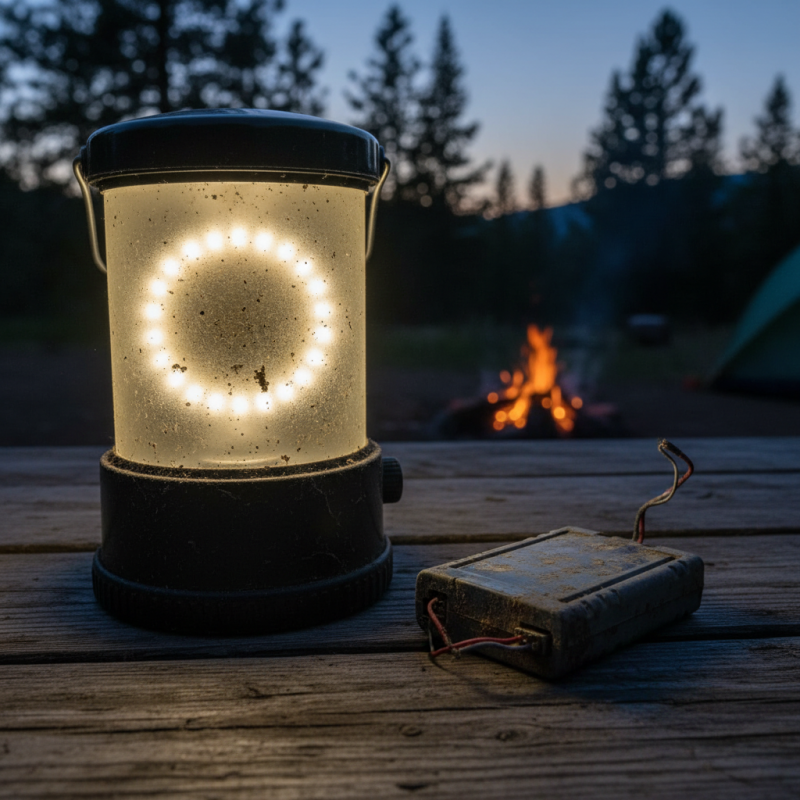
One main reason for reduced brightness is battery wear. After numerous trips, batteries can lose capacity. This can affect how much light the LED can emit. Another potential issue could be dust or dirt accumulating on the lens, obstructing the light's path. It’s essential to consider these practical aspects, as neglect can lead to dimmer illumination than desired.

Furthermore, prolonged use or exposure to rough outdoor conditions can wear down the internal components of the light. This deterioration may not be evident until you notice the dimming effect. Regular maintenance and checks can help identify and resolve these issues. Being mindful of these elements can help you ensure that your camping light remains reliable and bright for future adventures.
Why is My LED Camping Light Dimmer than Before?

Understanding the Basics of LED Camping Lights and Their Functionality

LED camping lights are handy tools for outdoor adventures. They provide bright illumination for tents, cooking, or nighttime activities. However, it's frustrating when they become dimmer over time. Understanding the functionality of these lights can help address this issue.

LED lights work by passing electric current through semiconductor material. Over time, this can lead to a decrease in brightness due to several factors. One common issue is battery degradation. If the batteries are old, they may not hold a charge effectively. This could make the light output appear weak. Another factor is the LED chips themselves. They can degrade with excessive heat or prolonged use. Even slight changes in brightness can signal a need for maintenance or replacement.

Proper care and regular checks can prolong the lifespan of LED camping lights. Ensure you use them according to manufacturer guidelines. Store lights in a cool, dry place to prevent heat damage. It’s crucial to reflect on their usage patterns and replace batteries proactively. Small adjustments in care can make a big difference.

LED Camping Light Brightness Comparison

This chart illustrates the brightness of LED camping lights over time. As you can see, the brightness in lumens decreases as the light ages, which can explain why your LED camping light may appear dimmer than before.

Common Causes of Dimming in LED Lights Over Time

LED camping lights are indispensable for outdoor adventures, but they can dim over time. This issue often arises from several common factors that users should be aware of. One major reason is battery degradation. As batteries age, their capacity diminishes, leading to lower power output. If your LED light has been in use for several years, it might be time to check or replace the batteries.

Another cause is the accumulation of dirt or dust on the light's lens. This buildup can obstruct light output significantly. Regular cleaning can help maintain brightness. Additionally, remember that temperature fluctuations can affect LED efficiency. Extreme heat or cold can lead to voltage changes, which may cause dimming. If you notice this issue, consider storing your light in a more temperature-regulated environment.

Finally, not all LEDs are created equal. Some inexpensive models may not have the same lifespan or light quality as others. It’s essential to choose well-reviewed options, even if they come at a higher price. Users should rethink their choices and observe how usage conditions affect their camping lights for better long-term performance.

Impact of Battery Health on LED Light Performance

Battery health plays a crucial role in the performance of LED camping lights. Over time, batteries lose their capacity due to cycles of charging and discharging. According to a report from the Battery University, lithium-ion batteries retain about 70-80% of their capacity after 500 full charge cycles. If your LED light seems dimmer, the battery might be nearing this limit.

Additionally, a study in the Journal of Power Sources highlights that temperature fluctuations can further degrade battery health. Extreme heat or cold can reduce the effective charge. For example, a cold battery can lose up to 50% of its performance. You might notice your light dims faster in chilly weather or when used extensively.

Monitoring battery performance is essential. Some users may overlook signs of degradation, such as shorter usage times. Regularly checking battery voltage can help identify issues early. If you find your camping light less reliable, it might be time for a battery replacement. Remember, a well-maintained battery ensures consistent brightness during your outdoor adventures.

Why is My LED Camping Light Dimmer than Before? - Impact of Battery Health on LED Light Performance

Battery Condition Voltage (V) Current (mA) LED Brightness (Lumens) Light Duration (hours)
New 12.6 500 800 10
Slightly Used 12.3 480 750 9
Moderately Used 12.0 400 600 8
Heavily Used 11.5 350 500 6
Dead 10.0 0 0 0

Environmental Factors Affecting LED Brightness Levels

When it comes to LED camping lights, brightness can fluctuate due to various environmental factors. Temperature plays a significant role. In colder conditions, LEDs may not emit as much light. This is due to the decreased efficiency of the semiconductor materials they use. When temperatures drop, the energy needed for optimal functioning increases, leading to dimmer outputs.

Humidity is another critical factor. High humidity can create moisture buildup. This can interfere with the electrical components within the light. Even small amounts of condensation can reduce brightness levels. Dust and dirt accumulation on the lens can also prevent light from shining effectively. Regular cleaning is often overlooked but is essential for maintaining brightness.

Lastly, age affects performance. Over time, even the best LEDs can lose their brightness. Factors such as frequent use and exposure to the elements contribute to this decline. It’s important to check the light's surroundings and ensure it is well-maintained. Reflecting on these elements can help identify reasons for dimness and improve future camping experiences.

Maintenance Tips to Restore LED Light Brightness

LED camping lights can lose brightness over time due to several reasons. Dust and grime buildup on the lens can impede light output. A research report from the Lighting Research Center indicates that even a small layer of dirt can reduce brightness by up to 20%. Regular cleaning can play a crucial role in maintaining optimal brightness levels.

Battery performance also significantly affects LED brightness. Lithium-ion batteries, commonly used in these lights, degrade over time. A study by the Department of Energy shows that capacity diminishes by approximately 20% after 300 charge cycles. Inspect your batteries, and consider replacing them if you notice any signs of swelling or reduced performance.

Finally, thermal issues can lead to dim lighting. Overheating can cause LEDs to operate inefficiently. According to the Optoelectronics Industry Development Association, managing heat is essential for LED longevity. Ensure your camping light has proper ventilation and avoid leaving it in direct sunlight for extended periods. Regular maintenance can help restore and extend the life of your LED camping light.

FAQS

: What are LED camping lights used for?

: LED camping lights provide illumination for tents, cooking, and nighttime activities during outdoor adventures.

Why do LED lights become dimmer over time?

Brightness decreases due to battery degradation, heat exposure, and prolonged use of LED chips.

How can I prolong the life of my LED camping lights?

Proper care includes using them according to guidelines and storing them in cool, dry places.

What role does battery health play in LED performance?

Battery health affects brightness. Old or degraded batteries may not hold charge, leading to dimmer lights.

How do temperature changes affect battery performance?

Extreme temperatures can reduce battery efficiency. For instance, cold weather may cause a battery to lose up to 50% performance.

What signs indicate I need to replace my LED camping light’s battery?

Shorter usage times or dimmer light output can indicate battery degradation or the need for replacement.

Can environmental factors affect LED brightness?

Yes, temperature, humidity, and dust can all impact brightness levels in LED camping lights.

How can humidity impact LED lights?

High humidity can cause moisture buildup, interfering with electrical components and reducing brightness.

What should I do if I notice my camping light is dim?

Check battery voltage and inspect for dirt on the lens. Regular maintenance can improve brightness.

Does age affect LED performance?

Yes, older LEDs may lose brightness due to frequent use and exposure to environmental elements over time.

Conclusion

If you’ve ever found yourself asking, "Why is my LED camping light not as bright as it used to be?", you’re not alone. Understanding the basics of LED camping lights reveals that their brightness can diminish over time for several reasons. Common causes include the deterioration of the LED technology itself, which can lead to decreased output. Additionally, the health of your light's battery plays a crucial role in performance; an aging or partially discharged battery can significantly affect the brightness of your LED light.

Environmental factors, such as temperature and humidity, can also impact brightness levels. Regular maintenance, such as cleaning contacts and ensuring proper battery care, can help restore some of the light's original brightness. By being aware of these factors, you can better understand and address the dimming of your LED camping light for future outdoor adventures.

Mason

Mason

Mason is a seasoned marketing professional with a deep expertise in the company's offerings and a passion for driving brand awareness. With a strong background in digital marketing strategies, he has an innate ability to connect with diverse audiences and effectively communicate product benefits.......