When you venture into the wilderness at night, a reliable flashlight becomes your best friend. It illuminates your path, ensures safety, and allows you to enjoy the beauty around you. But what makes a good flashlight for nighttime hiking or backpacking? This question requires exploration of key features that enhance your outdoor experience.
A good flashlight needs to be bright and durable. Look for a high lumen output, as brightness can significantly affect visibility. Lightweight designs matter too. A heavy flashlight can weigh down your pack during long hikes. Additionally, consider battery life. It's crucial to have a flashlight that won’t quit when you need it most.
Another aspect to reflect on is water resistance. Weather can be unpredictable in the wild. The right flashlight should withstand rain and mist. Yet, not all flashlights on the market live up to expectations. Some may promise durability but fail in real-world conditions. Hence, it’s vital to evaluate customer reviews and expert recommendations. This careful selection process ensures you find a reliable companion for your nighttime adventures.
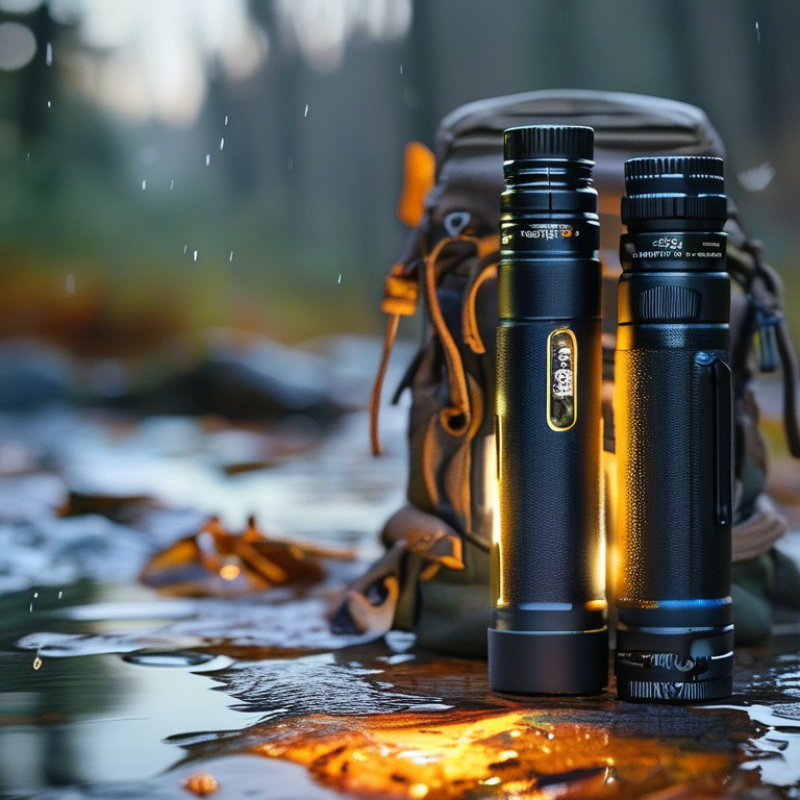
Factors to Consider When Choosing a Flashlight for Hiking
Choosing the right flashlight for nighttime hiking requires careful consideration. Brightness is key; look for lumens that suit your needs. A range of 200-600 lumens is ideal for most trails. A brighter light can illuminate a larger area, while a lower lumen count can help preserve battery life.
Weight and size also matter. A compact flashlight is easier to carry, especially on long hikes. Some hikers prefer a lightweight option, while others might favor a sturdier model. Battery type is another crucial factor. Rechargeable batteries offer convenience. However, having spare AA or AAA batteries can be reliable too.
Durability is essential. A flashlight might face drops, moisture, and dirt. Look for models built with tough materials and water-resistant features. Don't overlook beam type; a focused beam is great for distance, and a flood beam works for nearby tasks. Think about the flashlight's grip. A textured handle can prevent slips in wet conditions. Reflect on what features matter most to you before making a decision.
Light Output: Measuring Lumens for Optimal Visibility
When selecting a flashlight for nighttime hiking or backpacking, lumens are crucial. Lumens measure the total light output. A higher lumen count means brighter light, which is essential in the wilderness. For most hiking situations, 200 to 500 lumens should be sufficient. This range provides visibility without blinding your fellow hikers.
Consider beam distance as well. Some flashlights focus light into a tight beam, while others provide a floodlight effect. Both have their advantages. A concentrated beam helps spot distant objects. Meanwhile, a floodlight offers better peripheral visibility, improving safety on trails.
It's worth noting that brighter isn’t always better. Users often find overly bright flashlights hard to manage. The right brightness helps in navigation while preserving night vision. Aim for dimming features or adjustable brightness settings. They add versatility for any hiking condition. Balancing brightness and usability enhances your nighttime adventures.
Battery Life: Understanding Types and Their Endurance
When choosing a flashlight for nighttime hiking or backpacking, battery life is a crucial factor. The type of battery significantly impacts usage duration and reliability. For instance, alkaline batteries generally provide shorter lifespans compared to lithium-ion options. According to the National Park Service, a standard alkaline battery can last around 2-3 hours on high settings, while lithium-ion batteries can offer 5-12 hours, depending on the output setting.
Moreover, rechargeable flashlights are becoming more popular. They not only save money over time but also reduce waste. However, they may not always be reliable in very cold temperatures. A report from the American Hiking Society highlights that cold weather can cut battery performance by nearly 50%. It’s essential for hikers to check battery ratings and understand that not all batteries perform equally in different conditions.
Finally, consider the flashlight's efficiency. A lumens-per-watt ratio is important when evaluating brightness versus battery consumption. A high-efficiency flashlight might produce 100 lumens per watt, extending the battery life significantly. However, some users may find that these efficient models come with trade-offs, like reduced brightness on lower settings. Balancing brightness, battery type, and efficiency is key for making the best flashlight choice.
Durability and Weather Resistance: Essential Features for Outdoor Gear
When hiking or backpacking at night, durability and weather resistance are critical features for a good flashlight. You want your gear to stand up to rough conditions. An excellent flashlight should be able to withstand drops and bumps. It must also resist water penetration. Heavy rain or a sudden splash could ruin a lesser-quality flashlight. Look for models with a sturdy outer casing. Anodized aluminum is a popular choice due to its strength and light weight.
Consider the flashlight's performance in different weather conditions. A reliable flashlight will have a good seal to keep out moisture and dust. If you’re hiking in unpredictable climates, this becomes even more crucial. The beam should be bright enough to illuminate the trail. However, sometimes reflected light can be harsh. You may need to adjust how you use your flashlight in certain terrains.
In practice, many outdoor enthusiasts learn through experience. They understand that even the best gear can fail. A flashlight that seems robust might not perform in heavy rain. Sometimes, hikers forget to check the batteries before a long trek. This oversight can lead to darkness when it matters most. Reflecting on these details helps in choosing the right gear. Every journey teaches us something new about preparedness and reliability.
Weight and Size: Balancing Portability with Performance
When choosing a flashlight for nighttime hiking or backpacking, weight and size are crucial factors. A flashlight should be lightweight, ideally under 150 grams, to reduce the load in your backpack. Many hikers report discomfort when carrying heavy gear. A compact design allows easy storage and access. However, compact models often sacrifice lumens, the measurement of brightness.
Professional reports indicate that the ideal flashlight emits between 200 to 300 lumens for most hiking scenarios. This level of brightness strikes a balance between visibility and battery life. Lightweight flashlights equipped with LED technology often achieve this without adding bulk. They typically weigh less than traditional models and provide excellent illumination.
In terms of performance, consider battery life. Many compact flashlights offer two to five hours of usage before needing a recharge. This might not seem sufficient for longer hikes. Users need to reflect on their hiking durations and plan accordingly. A flashlight that fits snugly in your palm is great, but it shouldn't compromise safety. Making these choices requires careful thought and consideration.
What Makes a Good Flashlight for Nighttime Hiking or Backpacking?
FAQS
: Look for 200-600 lumens for most trails. Higher brightness covers more area.
Weight is essential. A compact flashlight is easier to carry on long hikes.
Rechargeable batteries are convenient. Spare AA or AAA batteries can also be reliable.
A durable flashlight withstands drops and damp conditions. It needs a tough outer casing.
Good seals prevent moisture and dust. Ensure it's water-resistant for unpredictable climates.
Check the batteries before each hike. A dead battery can lead to unexpected darkness.
A focused beam is great for distance. A flood beam works better for nearby tasks.
A textured handle prevents slips. This is especially vital in wet conditions.
Yes, even quality gear can fail. Learning from experiences is key to preparedness.
Forgetting about features or battery checks can lead to difficulties on the trail.
Conclusion
When considering "What makes a good flashlight for nighttime hiking or backpacking?", several critical factors come into play. First, light output is crucial, as measuring lumens helps ensure optimal visibility in dark environments. A bright flashlight can illuminate the path ahead and enhance safety during nighttime adventures. Next, battery life is essential; understanding the different types of batteries and their endurance can significantly impact your experience, allowing for prolonged use without frequent replacements.
Additionally, durability and weather resistance are vital for outdoor gear, as hiking often exposes equipment to rugged conditions and varying weather. A good flashlight should withstand bumps, drops, and moisture. Lastly, the weight and size of the flashlight are important for balancing portability with performance; a lightweight and compact design is preferable for hikers and backpackers who prioritize minimalism. By evaluating these factors, one can select a flashlight that will prove reliable and effective during nighttime excursions.

 Glow Flashlight