Many users find themselves in a frustrating situation: "Why can't I get my rechargeable flashlight to work after charging?" This common issue can stem from various factors. Understanding these factors is essential for every flashlight owner.
Often, the problem arises from the battery itself. Over time, batteries lose their ability to hold a charge. Sometimes, the charging cable can also malfunction, preventing a complete charge. Inspecting both could save you time and effort.
There are also factors related to usage habits. Flashlights are often exposed to moisture and dust. These conditions can impact performance. Recognizing these elements and taking preventive measures can help. Addressing these questions can lead to important insights and guide you back to a functioning flashlight quickly. Remember, troubleshooting is about reflection and improvement.
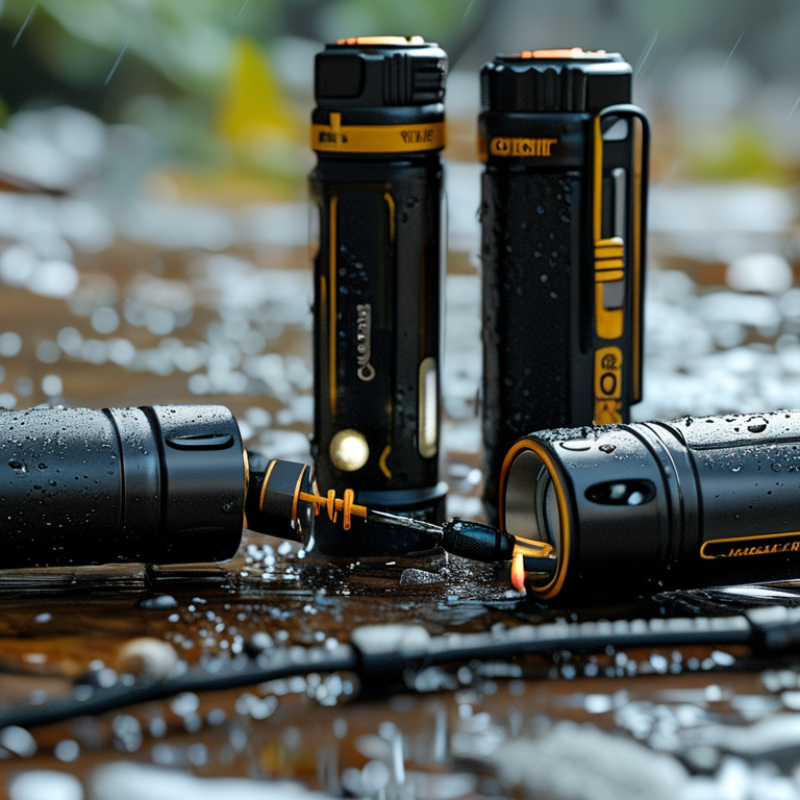
Rechargeable flashlights can be incredibly handy, but they sometimes fail to work even after a full charge. One common cause is a defective battery. Even high-quality batteries can degrade over time. If your flashlight flickers or dims, it might be time to replace the battery. Always check if the battery is securely connected. Loose connections can interrupt power flow.
Another issue could be dirt or corrosion on the contacts. Regular cleaning can prevent this complication. Use a dry cloth to wipe the contact points. Moisture can also cause problems. Ensure your flashlight is stored in a dry, cool place. If it's been exposed to wet conditions, let it dry completely before attempting to recharge.
Sometimes, charging issues arise from faulty chargers. Signs could include inconsistent charging indicators. Testing with a different charger might reveal the problem. Lastly, consider the overall age of your flashlight. Many components wear out over time. If all else fails, consult a professional to evaluate the internal circuitry.
When your rechargeable flashlight isn’t working after charging, the issue might stem from incorrect charging practices. To ensure proper charging, it’s essential to use the right cable. Many people overlook this detail, thinking any cable will work. A subpar cable can interfere with the charging process, preventing your flashlight from receiving the power it needs.
Temperature is another critical factor. Charging when temperatures are too high or low can damage the battery. Ideally, charge your flashlight in a cool, dry place. If you’ve been charging it in a damp or humid area, consider moving it. Overcharging can also lead to performance issues, so monitor the battery status closely. A full charge should take only a few hours, but continuous charging can affect battery longevity.
Lastly, check connections. Dirt or corrosion on the charging port can disrupt power flow. Regular cleaning can prevent this issue. Reflecting on these factors may help you troubleshoot problems with your flashlight. It’s crucial to adopt good charging habits to extend the flashlight's lifespan and ensure it functions correctly when you need it most.
Testing the battery is crucial when your rechargeable flashlight fails after charging. Start by removing the battery, if possible. Inspect it for any visible damage. Look for cracks, leaks, or corrosion. These are signs that the battery may need replacement. A faulty battery often leads to inconsistent power supply.
Next, use a multimeter to test the battery voltage. A healthy battery should display a voltage close to its rated capacity. If it reads significantly lower, that’s a red flag. You may also want to try charging the battery again. Sometimes, a poor connection during charging causes issues. Ensure the contacts are clean and well-seated.
Consider the charger itself. An unreliable charger can fail to provide proper voltage. Test your charger with another compatible battery. This can help identify whether the issue lies with the battery or the charger. If the flashlight still doesn't work, there might be internal issues at play. An internal circuit problem can also disrupt power supply. Keep in mind that some components may need professional repair.
When your rechargeable flashlight refuses to turn on after charging, troubleshooting is key. First, inspect the charging cable and port for damage. A frayed wire can stop power from reaching the battery. Plug the flashlight into a different outlet. Sometimes, the issue lies with the power source itself.
Next, check the battery's condition. Over time, rechargeable batteries can lose their ability to hold a charge. If the battery appears swollen or discolored, it's time for a replacement. Clean the battery contacts with a cotton swab and some rubbing alcohol. Dirty contacts can prevent proper connection.
If your flashlight is still unresponsive, try resetting it according to the manufacturer's instructions. Sometimes, a simple reset clears internal errors. Review any guides or manuals for specific advice. It’s not uncommon for users to overlook basic issues. Ensure the power switch isn’t stuck in the “off” position. Always maintain your flashlight by keeping it clean and charged regularly to avoid future problems.
Regular maintenance of your rechargeable flashlight can prevent many common issues.
First, keep the flashlight clean. Dust and dirt can accumulate inside.
Use a soft cloth to remove any buildup. Pay special attention to the charging contacts. A clean connection ensures efficient charging. If dirt clogs these contacts, it can hinder performance or even cause failure.
Check the battery regularly. Rechargeable batteries have a lifespan. Over time, their capacity decreases. Try to fully charge and fully discharge your flashlight occasionally. This practice can extend battery life. If the flashlight becomes dimmer than usual, it may be time to replace the battery.
Storing your flashlight correctly matters too. Avoid extreme temperatures and humidity. Such conditions can damage internal components.
It’s useful to keep the flashlight in a cool, dry place. Inspect it monthly for any signs of wear. Reflection on these small habits can lead to a longer-lasting, reliable flashlight.
: A defective battery, loose connections, dirt on contacts, moisture exposure, and faulty chargers can cause malfunctions.
If the flashlight flickers or dims, it might be time to replace the battery.
Use a dry cloth to wipe the contact points. Regular cleaning helps maintain performance.
No, using the right cable is essential. A poor-quality cable can interrupt charging.
Charge in a cool, dry place. Avoid extreme temperatures and overcharging for long battery life.
Check the battery regularly and recharge or discharge it fully to extend its lifespan.
Corrosion can disrupt power flow. Cleaning the contacts regularly helps prevent this issue.
Store it in a cool, dry place away from extreme temperatures and humidity to avoid damage.
Inconsistent charging indicators or failure to charge can indicate problems with the charger or battery.
If troubleshooting does not resolve the issue, a professional can evaluate internal circuitry for problems.
If you're wondering, "Why can't I get my rechargeable flashlight to work after charging?", there could be several common causes behind this issue. It is crucial first to understand how to properly charge your rechargeable flashlight, as improper charging can lead to malfunctions. Additionally, testing the battery can identify power supply issues that may prevent your flashlight from turning on.
When troubleshooting a non-responsive flashlight, techniques such as checking connections and inspecting the bulb can prove helpful. Regular maintenance is key to preventing future problems, so ensure to keep your flashlight clean and check the battery health periodically. By following these tips and understanding potential causes, you can efficiently diagnose and fix your flashlight issues.

Glow Flashlight