When it comes to using LED work lights in harsh environments, durability is key. Many users wonder, "How to make your LED work light last longer in harsh conditions?" The answer lies in understanding the unique challenges these lights face. Extreme temperatures, moisture, dust, and physical impacts can significantly shorten their lifespan.
Regular maintenance and smart usage can greatly enhance their longevity. For instance, using protective casings can shield lights from debris. Additionally, choosing the right power source ensures consistent performance. Many people overlook these basic precautions. However, small adjustments in handling can yield substantial benefits.
In essence, extending the life of LED work lights isn't solely about purchasing high-end models. It involves a mix of care, the right strategies, and the willingness to adapt to the environment. Users often need to reflect on their habits and work practices. By prioritizing these factors, you can confidently rely on your LED work lights, even in the most demanding conditions.
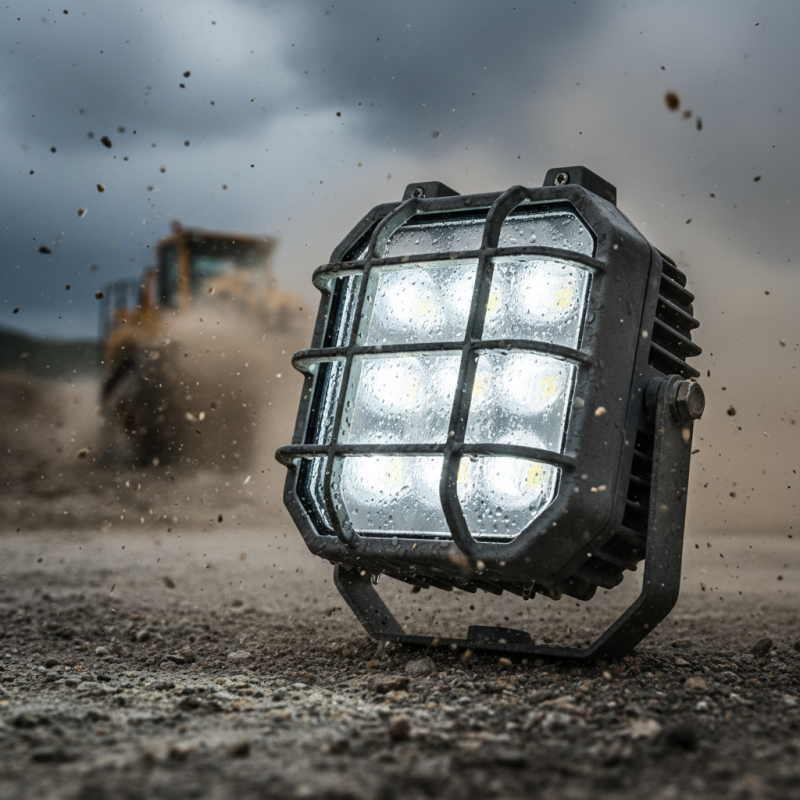
When selecting LED work lights for harsh environments, durability is crucial. Professionals recommend looking for fixtures with robust aluminum housings and high IP ratings. A minimum of IP65 is ideal to resist dust and water. Research from the Lighting Research Center shows that LED lights with these features can last up to 50,000 hours, significantly reducing replacement costs.
Consider the environment where the lights will be used. Extreme temperatures can affect performance. Choose lights specifically rated for such conditions. For instance, some LEDs operate efficiently at temperatures as low as -30°C. This ensures that your equipment remains functional in freezing weather.
Tips: Ensure that the lens is toughened to withstand impacts. Look for models with polycarbonate lenses. Moreover, pay attention to heat management; effective heat dissipation prolongs lifespan. Finally, consider using work lights with versatile power options, such as battery and AC.
Reflecting on these points, you may still encounter unexpected failures. Regular maintenance and lamp inspections are necessary to identify issues early. Make it a habit to perform routine checks on light fixtures. This allows you to address minor problems before they escalate into significant failures.
Understanding IP ratings is crucial for selecting LED work lights, especially under harsh conditions. IP stands for Ingress Protection, which indicates how well the light resists dust and moisture. A higher IP rating means better protection. For instance, IP65 means the light is dust-tight and water-resistant to low-pressure water jets. This offers essential reliability in challenging environments.
To extend the lifespan of your LED work lights, ensure they are properly rated for their intended use. Use lights with at least an IP64 rating for indoor use in dusty conditions. For outdoor use, consider IP67 or higher. Proper storage is also important; avoid leaving lights exposed to extreme temperatures or direct sunlight.
Regular maintenance can make a big difference. Clean your lights regularly to remove grime and debris. Inspect them for any signs of wear or damage. Addressing these issues early can prolong their life significantly. Additionally, using lights within their specified temperature range is crucial; extreme temperatures can cause malfunctions.
Thermal management is crucial for enhancing the lifespan of LED work lights, especially in harsh environments. Excess heat can damage internal components and reduce efficiency. Effective thermal regulation prevents premature failures and ensures reliable performance. Engineers often design casings with materials that dissipate heat efficiently, yet not all designs provide uniform cooling.
Moreover, placing LED lights in well-ventilated areas can significantly help. Heat buildup from surrounding conditions, like close walls or materials, can cause systemic failure. Regular maintenance is vital, but often overlooked. Dust and debris can also insulate heat. Inspection routines should not be sporadic; they need to become habitual to keep conditions optimal.
In addition, using heat sinks can further extend the lifespan of LEDs. However, they are not a complete solution. In extreme weather, environmental impacts must be considered. Lights can still overheat if not monitored properly. Investing in a robust thermal management strategy is essential, yet many users may underestimate its importance. Balancing heat dynamics with LED performance provides a pathway to better longevity.
When working in harsh conditions, protecting LED work lights is essential for longevity. Utilizing protective housing and accessories can significantly enhance durability. A study published by the Lighting Industry Association found that lights placed in rugged cases last up to 30% longer than unprotected counterparts.
Invest in robust housing made of high-grade polymers or metals. These materials resist impact and protect against dust and moisture. Adding lens guards is also wise for safeguarding against scratches and debris. Regular maintenance, such as cleaning the lens, ensures optimal light output and prevents overheating.
Remember to use weather-resistant connectors. These connectors can prevent moisture ingress, a common cause of failure. Employing extension cords rated for industrial use can further enhance reliability. Pay attention to environmental conditions, such as extreme temperatures, that can affect performance. A report from the National Electrical Manufacturers Association indicates that performance can decline by 10% in severe weather, emphasizing the need for protective measures.
In harsh settings, the right accessories can make a difference. Protective gear will help ensure that your work lights perform at their best, ready to illuminate any task.
Regular maintenance and inspection are crucial for the longevity of LED work lights in harsh environments. Dust and debris can accumulate on the surface of the lights, affecting brightness and efficiency. An occasional wipe-down with a damp cloth can do wonders. It's a simple step yet often overlooked. Inspect seals and connectors regularly. A small crack can lead to moisture seepage and damage.
Routine checks on wiring and power sources are just as essential. Loose connections can cause flickering or complete outages. Consider using electrical tape for temporary fixes, but don’t neglect a proper repair later. Additionally, perform visual inspections before each use. Look for signs of wear, and replace components as needed.
It's easy to become complacent after a few months of usage. However, neglect can spiral into costly repairs or replacements. A proactive approach is key. Remember, the aim is not just to extend lifespan but to ensure optimal performance, even in adverse conditions. Regular maintenance fosters reliability and enhances safety.
: Choose lights with durable aluminum housings and high IP ratings, at least IP65, to resist dust and water.
Thermal management prevents overheating, protecting internal components and enhancing the lifespan of the lights.
Some LEDs are rated for very low temperatures, like -30°C, ensuring they function well even in freezing conditions.
Regularly inspect seals, connectors, and wiring. Ensure they are clean and free from dust or debris to maintain efficiency.
Routine inspections should be habitual. Regular checks prevent minor issues from escalating into major failures.
Neglect can lead to costly repairs, reduced performance, and even complete outages. Staying proactive is essential.
While heat sinks help, they aren’t a complete solution. Proper monitoring is still necessary in extreme conditions.
Use electrical tape for temporary fixes but prioritize proper repairs as soon as possible to avoid outages.
Combine regular maintenance with effective heat management strategies for optimal performance and longevity.
Dust accumulation is frequently ignored. A simple wipe-down can significantly restore brightness and efficiency.
To ensure optimal performance and longevity of LED work lights in harsh conditions, it is essential to follow best practices in selection and maintenance. When questioning "How to make your LED work light last longer in harsh conditions?" one should prioritize choosing durable lights designed specifically for extreme environments. Understanding IP ratings is crucial, as these ratings indicate the light's resilience against dust and water ingress, providing valuable insights for informed decisions.
Additionally, effective thermal management plays a significant role in prolonging the lifespan of LED lights, as excessive heat can lead to premature failure. Enclosing your LED work lights in protective housing and utilizing accessories designed to enhance durability can further shield them from damaging elements. Regular maintenance and inspection are vital to detect potential issues early, ensuring that LED work lights can withstand the rigors of harsh working conditions for an extended period.

Glow Flashlight