Top Emergency Light Issues and Solutions for Buyers

Time:2026-05-09 Author:Amelia
0%

In a world where safety is paramount, understanding emergency lights is crucial. Emergency lights are essential in saving lives during power outages or emergencies. However, many users face challenges. What are the most common problems with emergency lights and how to fix them? Recent studies show that over 30% of emergency lights fail during crises due to common issues such as battery malfunctions and inadequate brightness.

Failures often occur when regular maintenance is overlooked. Users sometimes think their emergency lights function perfectly. Yet, a lack of routine checks can lead to devastating consequences. Many unit designs may also lack durability, which only adds to the concerns. Furthermore, industry reports indicate that 25% of users replace their units without identifying core problems.

Knowing how to address these issues can help ensure safety. Detailed inspection routines can mitigate many known failures. Understanding the specific needs for your emergency light ensures every unit performs optimally when it matters most. Stay informed, and make safety a priority.
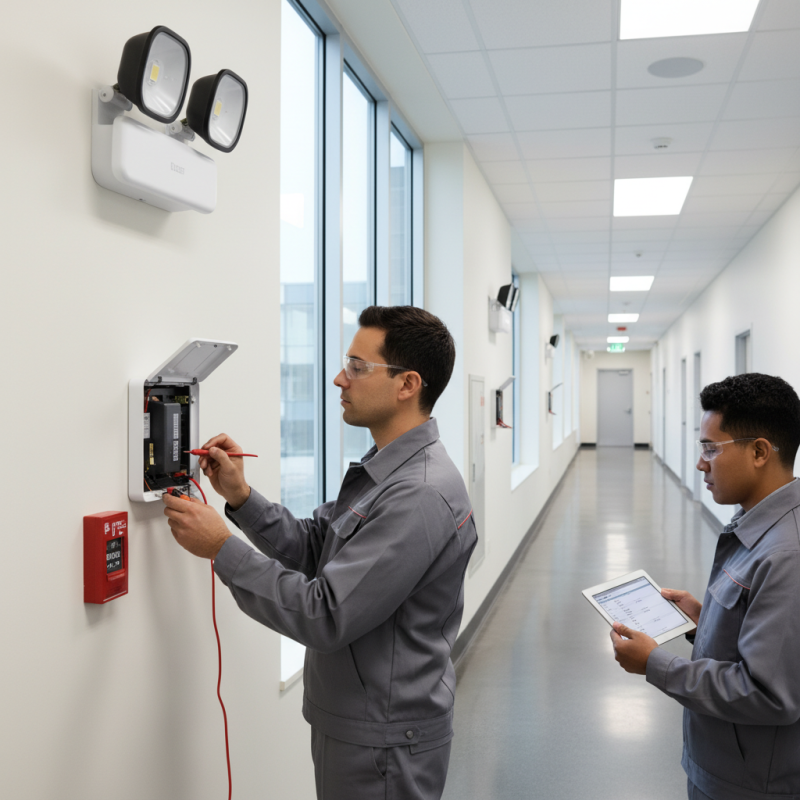
Top Emergency Light Issues and Solutions for Buyers

Common Problems Faced by Emergency Light Users

Emergency lights are vital for safety during power outages, but users often encounter issues that require attention. One common problem is battery failure. Many users find that their emergency lights do not turn on when needed. This can occur due to old or poorly maintained batteries. Regular checking and replacing batteries can help avoid this situation.

Another frequent issue is inadequate brightness. Some users report that their emergency lights do not illuminate dark areas effectively. This might stem from low-quality bulbs or improper placement of the lights. To enhance visibility, consider installing lights close to potential hazards. Placement plays a crucial role in ensuring maximum effectiveness.

Lastly, users may struggle with overcharging. Many emergency lights can malfunction if left plugged in for too long. This can lead to reduced battery life or failure to operate when required. It’s essential to follow manufacturer guidelines on charging to maintain reliability. Regular maintenance and informed use can help mitigate these common challenges.

Top Emergency Light Issues and Solutions for Buyers

This chart displays the common issues faced by emergency light users and the corresponding solutions. The data reflects user experiences and can help buyers make informed decisions.

Understanding Different Types of Emergency Lights

When it comes to emergency lights, understanding the various types is crucial for making an informed purchase. LED emergency lights are popular due to their brightness and efficiency. They consume less power and have a longer lifespan than traditional bulbs. However, some may find them too harsh under certain conditions. Fluorescent lights, on the other hand, provide softer illumination but can flicker. This flickering may be distracting in high-stress situations, which is not ideal when every second counts.

Solar-powered emergency lights are a viable option for outdoor settings. They charge during the day and can operate at night, offering sustainability. Yet, their performance can be inconsistent on cloudy days. Battery-operated lights are portable but rely solely on their battery life. Users sometimes forget to check battery levels, risking total failure in emergencies. Each type has its pros and cons, requiring careful consideration by buyers. Understanding these nuances can prevent issues down the line, ensuring enhanced safety during critical moments.

Top Emergency Light Issues and Solutions for Buyers

Issue Description Solution Type of Emergency Light
Short Battery Life Emergency lights that fail to provide adequate illumination due to drained batteries. Choose lights with high-capacity rechargeable batteries and check expiration dates regularly. LED Emergency Lights
Inadequate Brightness Lights that do not emit enough brightness to safely navigate in emergencies. Select lights with higher lumen output preferably over 300 lumens. Halogen Emergency Lights
Poor Durability Emergency lights that fail due to material wear and tear or environmental resistance. Opt for models made from durable materials such as polycarbonate. Portable Emergency Lights
Overheating Lights that become too hot to handle during operation. Ensure lights have thermal management features and automatic shutdown mechanisms. Rechargeable Emergency Lights
Complex Installation Emergency lights that require complicated setups that can lead to improper use. Look for plug-and-play models that require minimal installation effort. Wall-Mounted Emergency Lights

Key Features to Look for in Emergency Lighting Solutions

When choosing emergency lighting solutions, several key features stand out. First and foremost, brightness is essential. Look for lights that provide clear visibility in dark situations. The intensity of the light can be life-saving during emergencies. Different environments may require varying levels of brightness, so assess your needs.


Battery life is another critical factor. A reliable emergency light should last long enough to guide people to safety. Ideally, you want a light that remains functional for several hours without needing a recharge. It's also important to consider how quickly the light can recharge after use. Regular maintenance checks are necessary to ensure you are prepared.


Finally, durability can't be overlooked. Emergency lights often face harsh environments. Whether it's exposure to moisture or rough handling, the light should withstand wear and tear. Look for options that are waterproof and impact-resistant. Lesser quality products can fail when needed most. Evaluating your specific needs and environments will help in making an informed decision, leading to a more reliable choice.

Effective Maintenance Tips for Emergency Lights

Emergency lights are crucial for safety during power outages. Regular maintenance ensures they function effectively when needed. One key tip is to test the lights monthly. Simply turn them on to confirm they illuminate properly. If any flickering occurs, it indicates a potential issue.

Batteries are often the leading cause of emergency light failures. Check them regularly and replace old, corroded batteries. Look for signs of leaks or swelling. These small observations can prevent bigger problems. Keeping the lights clean is just as important. Dust can accumulate over time and diminish their brightness.

It’s essential to keep a maintenance log. Document tests and replacements. This practice is not just helpful; it detects patterns over time. You might notice that certain lights fail more frequently. Reflecting on these patterns helps you make informed decisions. Ensuring reliable emergency lighting is a continual process, requiring attention and care.

Best Practices for Choosing the Right Emergency Light

Choosing the right emergency light is crucial for safety during power outages or emergencies. Begin by assessing your needs. Consider the size of the area you want to illuminate. Small spaces may only require basic units. Larger spaces need more powerful or multiple fixtures.

Next, think about battery life. A unit with a longer battery duration can provide extended help. Some lights shine for hours, while others last only short spells. It’s also important to check for easy maintenance. Lights that require regular checks help ensure they function properly in emergencies.

Consider the brightness level. A light that is too dim won't help in a crisis. Bright, focused beams are more effective. Also, reflect on the design. Some lights are easier to install than others. This may not seem critical but can make a significant difference.

Ultimately, the right choice hinges on the specific context and personal preference.

FAQS

: What types of emergency lights are available?

: Common types include LED, fluorescent, solar-powered, and battery-operated lights. Each serves distinct needs.

What are the advantages of LED emergency lights?

LED lights are bright and energy-efficient. They consume less power and last longer than traditional bulbs.

Are there any drawbacks to using fluorescent lights?

Yes, fluorescent lights can flicker. This flickering can distract during emergencies, which may be problematic in critical situations.

What should I consider for outdoor emergency lighting?

Solar-powered lights are suitable for outdoor use. They charge in sunlight but may not perform well on cloudy days.

Why is battery life important in emergency lights?

A longer battery life ensures lights remain functional during an emergency. Users often forget to check battery levels, risking failure.

How can I ensure my emergency lights last?

Regular maintenance checks are vital. This ensures lights are functional and ready for unexpected situations.

What features should I look for in emergency lighting?

Key features include brightness, battery life, and durability. These are crucial for effective performance in emergencies.

How do I choose the right brightness for my needs?

Assess your environment. Different situations might require varied brightness to provide clear visibility during dark conditions.

What risks come with using lower-quality emergency lights?

Lower-quality lights may fail when needed most. They often lack durability and reliability in critical moments.

Can emergency lights withstand harsh conditions?

Yes, look for lights that are waterproof and impact-resistant. They should endure rough handling and exposure to moisture.

Conclusion

In the realm of emergency lighting, users often encounter various challenges that can affect the reliability of these crucial safety devices. The article addresses the question, "What are the most common problems with emergency lights and how to fix them?" by highlighting issues such as battery failures, inadequate brightness, and improper installation. Understanding the different types of emergency lights available can help users select the most appropriate solution for their needs.

Key features, such as battery life, ease of installation, and brightness levels, play a vital role in ensuring effective emergency lighting. Additionally, effective maintenance tips, including regular testing and cleaning, can extend an emergency light's lifespan. By adhering to best practices for choosing the right emergency light, consumers can be better equipped to make informed decisions, ultimately enhancing safety in emergency situations.

Amelia

Amelia

Amelia is a seasoned marketing professional with a wealth of expertise in our company’s core offerings. With an unwavering passion for driving growth and innovation, she plays a pivotal role in shaping our marketing strategies and enhancing brand visibility. A key aspect of her responsibilities......