How to Choose the Right Light for Working in Dark Spaces?

Time:2026-05-11 Author:Oliver
0%

In today's fast-paced world, adequate lighting is crucial for productivity. When working in dark spaces, the right illumination can make all the difference. "How to pick the right light for working in dark spaces?" is a question many face. Poor lighting leads to eye strain and decreased focus.

Choosing the right light involves understanding your specific needs. Factors include light intensity, color temperature, and placement. A well-placed desk lamp can brighten a workspace significantly. LED lights could offer better energy efficiency while providing ample brightness.

However, not every lighting solution suits every environment. Some might rely on overhead lights but find them lacking. Others may need to explore task lighting or diffused lighting options. Reflecting on personal experiences can help identify what works best. Consider the types of tasks performed in these dark areas. Adequate lighting does not just enhance visibility; it enhances overall well-being and efficiency.
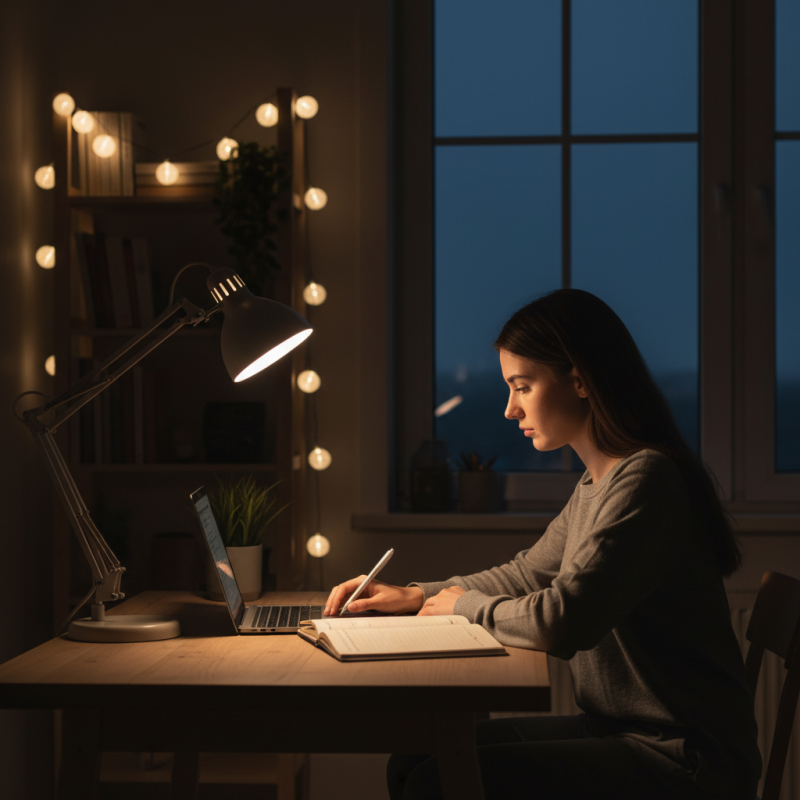
How to Choose the Right Light for Working in Dark Spaces?

Factors to Consider When Selecting Lighting for Dark Work Environments

Choosing the right lighting for dark work environments involves several key factors. One crucial aspect is brightness. Ensure that the light source provides enough lumens to illuminate the workspace without causing glare. Position lights at the right angle to minimize shadows, which can hinder visibility and productivity.

Color temperature is also vital. Warmer tones often create a cozy atmosphere, while cooler, bluish lights enhance alertness. Consider the nature of the work being done. For meticulous tasks, a cooler light can aid focus, while warmer hues may suit collaborative spaces. Adjustability is valuable too; having dimmable lights can cater to various tasks and personal preferences.

Finally, energy efficiency matters. Look for lighting options that consume less power while providing adequate illumination. Not all dark spaces have the same requirements. Reflect on past experiences in lighting choices. Some setups may have felt perfect initially but proved inadequate over time. Keep that knowledge in mind when making decisions.

Types of Lighting Solutions: LED, Fluorescent, and Incandescent Options

When choosing lighting for dark spaces, it's essential to understand your options. LED lights are popular for their energy efficiency and longevity. They provide bright, focused beams, ideal for tasks where clarity is crucial. For example, using LEDs in a garage or workshop can illuminate the work area effectively.

Fluorescent lights are another option, often found in commercial settings. They provide a wide range of brightness and color temperatures. While they can be more affordable upfront, their flickering may cause eye strain over extended periods. However, their soft light can be suitable for larger areas lacking natural sunlight.

Incandescent bulbs offer warm, inviting light but have downsides. They consume more energy, leading to higher electricity bills. Yet, their dimmable feature creates a cozy atmosphere. Still, they don’t last as long as LEDs or fluorescents, requiring frequent replacements. Each lighting type has its pros and cons, so consider your space's specific needs.

Importance of Lumens: How Brightness Affects Work Efficiency

When working in dark spaces, choosing the right lighting is crucial. The number of lumens determines the brightness of your workspace. Higher lumens mean more light, which can lead to improved work efficiency. Insufficient lighting can cause strain. Strain can lead to mistakes. Finding a balance in brightness helps maintain focus.


Tips for selecting the right light:

  • Aim for at least 300 lumens for small tasks.
  • Use adjustable lights for flexibility.
  • Consider light color temperature; warmer tones create a cozy feel, while cooler tones enhance concentration.

Understanding how brightness influences your performance is essential. Too dim lighting leads to fatigue. Too bright can cause glare. Reflect on your needs and adjust your lighting accordingly. A well-lit space fosters creativity and improves mood. Remember, comfort is key for efficient work.

Color Temperature and Its Impact on Mood and Productivity in Dark Spaces

Color temperature significantly influences mood and productivity, especially in dark spaces. Warmer light, around 2700K to 3000K, creates a cozy and inviting atmosphere. This is ideal for relaxation areas. In contrast, cooler light, between 5000K and 6500K, mimics daylight. It enhances alertness and focus, making it suitable for workspaces.

The choice of light can affect how you feel. For example, harsh blue-tinted lights can induce anxiety over time. In poorly lit areas, consider using dimmable lights. This allows you to adjust brightness based on the task at hand. Trusting your instincts while choosing the right light can lead to better outcomes.

In office settings, many people overlook the color temperature of their lighting. This can result in fatigue and decreased motivation. Regularly assess your lighting conditions. Experiment with different temperatures to find what works best for you. It may take time, but gradual adjustments can lead to a more productive environment.

Color Temperature and Its Impact on Mood and Productivity in Dark Spaces

Safety Considerations: Reducing Eye Strain and Enhancing Visibility in Work Areas

When working in dark spaces, safety is paramount. Proper lighting not only enhances visibility but also reduces eye strain. Strain can lead to headaches, fatigue, and long-term vision issues. Choosing the right light source is essential for creating a comfortable workspace.

Consider the color temperature of your lights. Warmer lights tend to be more relaxing, while cooler lights can enhance focus. A balanced spectrum helps avoid excessive glare. Dimmer switches offer flexibility, allowing you to adjust brightness according to the task. Ensure your work area is well-lit to minimize shadows that could lead to accidents.

Tips: Use task lighting to illuminate specific areas. This reduces strain and improves accuracy in detail-oriented jobs. Regularly clean your light fixtures to maximize brightness. Take breaks to rest your eyes, especially in prolonged work sessions. A short walk or simple eye exercises can make a difference.

Evaluate your setup regularly. Ask yourself if the current lighting meets your needs. If you find yourself squinting or straining to see, it may be time for a change. Even subtle adjustments can greatly improve your working conditions and overall health.

How to Choose the Right Light for Working in Dark Spaces? - Safety Considerations

Lighting Type Brightness Level (Lumens) Color Temperature (Kelvin) Energy Efficiency (Wattage) Eye Comfort (Rating)
LED Work Light 2000 - 4000 5000K - 6500K 15 - 60 High
Halogen Bulb 1000 - 3000 3000K 50 - 150 Medium
Fluorescent Light 800 - 3500 4000K - 5000K 15 - 80 Low
Incandescent Bulb 800 - 1600 2700K - 3000K 40 - 100 Low

FAQS

: What is the importance of brightness in dark work environments?

: Brightness, measured in lumens, is crucial for visibility. Sufficient lighting improves work efficiency and reduces mistakes.

How many lumens are recommended for small tasks?

Aim for at least 300 lumens. This helps to avoid strain and maintain focus on the task.

What role does color temperature play in productivity?

Warmer tones create a cozy feel; cooler tones enhance concentration. Choose lighting based on the tasks at hand.

How can lighting affect mood in dark spaces?

Warmer lights promote relaxation, while cooler lights can induce alertness. The right choice impacts well-being and productivity.

Why is adjustability in lighting important?

Dimmable lights allow you to tailor brightness for different tasks and comfort levels. This flexibility can enhance work quality.

How does insufficient lighting impact work?

Poor lighting can lead to eye strain and fatigue. It can ultimately result in decreased focus and productivity.

What should I reflect on when choosing lighting?

Consider past lighting experiences. What seemed ideal might not be effective long-term. Adjust based on what you learn.

Can harsh lighting affect mental health?

Yes, blue-tinted lights can cause anxiety over time. Assess and adjust lighting conditions frequently for better mood.

How important is energy efficiency in lighting?

Using energy-efficient options saves power while ensuring adequate illumination. It benefits both the environment and your bills.

How can I experiment with lighting colors?

Regularly assess your workspace lighting. Try different temperatures gradually until you find the most comfortable setup.

Conclusion

When considering "How to pick the right light for working in dark spaces?", it's essential to evaluate several key factors. First, the type of lighting solution—whether LED, fluorescent, or incandescent—greatly influences the effectiveness of illumination. Each type has its advantages in terms of energy efficiency, longevity, and light quality. Additionally, understanding lumens is crucial, as the brightness of the light can significantly impact work efficiency in dim conditions.

Moreover, the color temperature of the lighting affects both mood and productivity; warmer temperatures may promote a calm atmosphere, while cooler tones can enhance alertness. Lastly, safety considerations are paramount; effective lighting should reduce eye strain and improve visibility in work areas to create a safer working environment. By thoughtfully considering these elements, one can choose appropriate lighting that enhances both functionality and comfort in dark spaces.

Oliver

Oliver

Oliver is a seasoned marketing professional with a wealth of expertise in driving brand awareness and engagement. With a deep understanding of our company's product offerings, he consistently delivers high-quality content that enriches our professional blog. His insights not only shed light on......