When it comes to camping, the right lighting can elevate your experience. Choosing the best camping light is not just about brightness; it directly affects your safety and comfort. Renowned outdoor expert, Sarah Johnson, emphasizes, "Lighting can make or break a camping trip." Her insights guide many through the vast array of choices available today.
How to find the perfect camping light for your specific needs? This question should drive your decision-making. Different activities require different types of lights. For example, a lantern may suit a group gathering, while a headlamp is better for hiking at night.
Consider your typical camping scenario. Will you be cooking, reading, or hiking? The answers will influence the type and brightness level you select. Don't overlook durability and battery life, as these aspects can greatly impact your outdoor adventures. Remember, not every light performs well in all conditions. Choosing the wrong light can lead to frustration. Reflect on your needs, and take your time to make an informed decision.
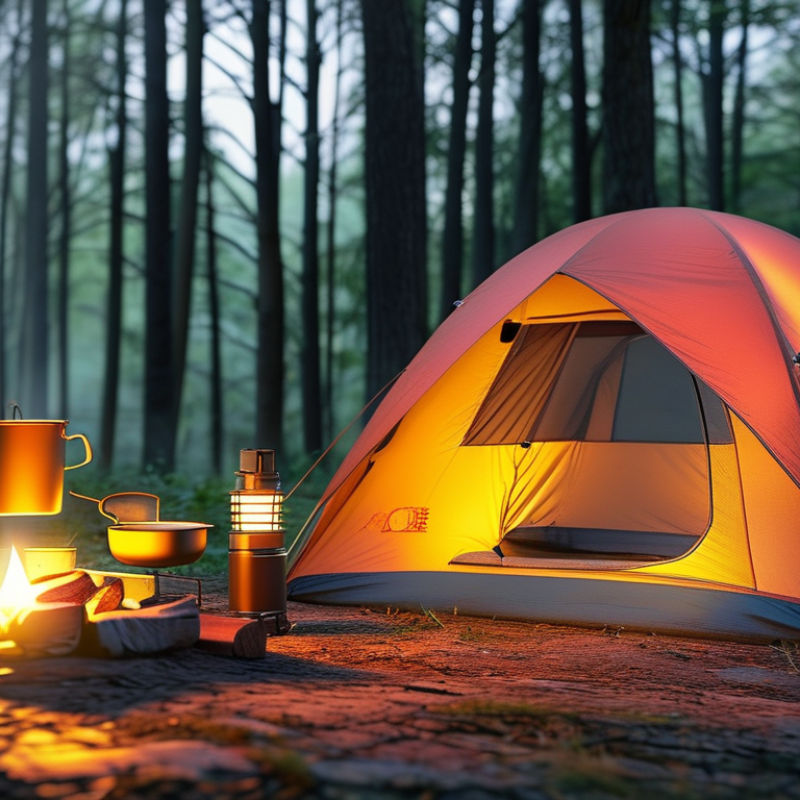
Understanding Different Types of Camping Lights Available on the Market
When choosing a camping light, it's essential to know the types available. Flashlights are compact and versatile. They are great for focused tasks, like reading or navigating. Headlamps are hands-free, perfect for cooking or setting up a tent at night. Consider your activities to determine which type is best for you.
Lanterns provide illumination for a larger area. They can create a cozy atmosphere around the campsite. Battery-operated lanterns are common, but solar options are also available. Be mindful of your energy needs. Check the brightness levels and battery life specifications.
Not all lights are created equal. Some are waterproof, while others are not. If you camp in wet conditions, this is crucial. Remember, weight matters. A lightweight light is easier to carry but might not shine as bright. Reflect on what you need most in a camping light. Your choices can greatly impact your outdoor experience.
Key Features to Consider When Choosing a Camping Light
When selecting a camping light, several key features should guide your choice. Brightness is crucial; measure it in lumens to ensure you have adequate illumination. For general camp use, aim for a light between 200 and 500 lumens. It is also wise to consider the lighting modes available. Adjustable brightness and strobe settings can enhance safety and versatility during your outdoor activities.
Battery life is another important factor. Lights that last several hours on a single charge or with new batteries offer reliability. Look for those that provide real-time battery level indicators. Weight and size are critical as well. A lightweight, compact light is manageable and easier to pack. Some lights are designed to be hung or attached, giving you flexibility in how you illuminate your site.
Lastly, durability should not be overlooked. A camping light must withstand outdoor conditions like wind or rain. Check for water-resistance ratings and shockproof features. If your light is fragile, it won't last long in the wilderness. Balance these features thoughtfully, and consider your specific needs. It's common to overlook preferences or focus solely on cost. Reflect on what matters most for your camping experience.
Evaluating Brightness and Power Options for Your Camping Needs
When selecting a camping light, brightness is a key factor. Lumens measure brightness. A light with 200 lumens is adequate for cooking or setting up tents. For reading or socializing, aim for 300 lumens or more. Consider your campsite size. A larger area needs a brighter light.
Power options vary widely. Battery-powered lights offer convenience but require replacements. Solar-powered lights are eco-friendly. However, they depend on sun exposure during the day. Rechargeable options provide a balance but might be heavier. Weigh the importance of weight versus usability carefully.
Reflect on your activities. If you plan nighttime hiking, brightness is crucial. For relaxed evenings, softer light suffices. Assess how often you’ll use the light. Sometimes, a basic option may be all you need. Keep your needs in mind; not every trip requires the brightest light.
Assessing Portability and Durability for Outdoor Use
When choosing a camping light, portability and durability are crucial. A lightweight fixture makes it easier to pack and carry. Opt for designs that fold or collapse. They save space in your gear. Consider the weight if you plan on hiking long distances.
Durability must not be underestimated. Outdoor environments can be harsh. Lights should resist rain and impacts. Look for materials like aluminum or high-grade plastic. These materials withstand tough conditions better. Some lights even have a waterproof rating. This feature ensures functionality in wet weather.
Reflect on your camping style. Will you sit around a fire or hike in remote areas? Each activity requires a different light. You may find yourself needing a balance—a light that’s durable yet lightweight. Don't rely solely on bright claims. The warmth of light matters too. Test it if possible. This ensures it suits your specific needs perfectly.
Comparing Costs and Brand Reputation in Camping Lights
When selecting a camping light, cost and brand reputation are crucial. An affordable light might seem tempting, but compromising on quality can lead to frustration during your trip. Many lower-priced options lack durability and brightness, which may not meet your needs in the wilderness. While savings are important, investing a little more can ensure a dependable light source.
Brand reputation plays a significant role in your choice. Trusted brands often have positive reviews that reflect user experiences. On the other hand, newer or lesser-known brands may not have proven track records. Researching customer feedback can give you insights into their reliability and performance. Look for lights that have been tested in various conditions to understand their strengths and weaknesses better.
Keep in mind that even well-regarded brands can have inconsistencies. Some may excel in one feature but fall short in others. For instance, a brand might offer excellent battery life but lack waterproof capabilities. Take time to evaluate different options carefully. This thought process can help ensure you choose a camping light that truly meets your needs.
FAQS
: Aim for lights between 200 and 500 lumens for general use.
A longer battery life ensures reliable use during camping trips.
Look for lightweight designs that are compact and easy to pack.
Choose lights made from aluminum or high-grade plastic for improved resistance.
Trusted brands often have better durability and performance based on user reviews.
Choosing a cheaper light may lead to frustration; investing a bit more could ensure reliability.
Check for adjustable brightness and strobe settings for versatility during use.
A waterproof rating helps ensure functionality in wet weather conditions.
Recognize that even reputable brands may have inconsistencies in different features.
The warmth of light affects comfort; test it to ensure it meets your needs.
Conclusion
When considering how to find the perfect camping light for your specific needs, it's essential to understand the various types of camping lights available on the market, including lanterns, flashlights, and headlamps. Each type serves distinct purposes and offers different advantages, so it's crucial to select one that aligns with your camping style.
Additionally, evaluate key features such as brightness levels, power options, and battery life, as these will significantly influence your overall experience. Portability and durability are also vital factors, especially for outdoor conditions where reliability is key. Lastly, comparing costs and considering brand reputation can help ensure you make a wise investment in a camping light that meets your expectations and enhances your outdoor adventures.

 Glow Flashlight