Choosing the right flashlight for your needs is crucial. With so many options available, you might wonder, "What are the benefits of rechargeable flashlights over disposable ones?" This question is essential in today's eco-conscious world. Rechargeable flashlights offer several advantages that go beyond convenience and performance.
First, they are more environmentally friendly. Disposable batteries contribute to pollution and waste. In contrast, rechargeable flashlights can last for years, reducing overall waste. They minimize the frequency of battery replacements, which is beneficial for both the planet and your wallet. Additionally, rechargeable flashlights often provide better brightness and longer usage times compared to their disposable counterparts.
Moreover, investing in rechargeable models means saving money. While the initial cost may be higher, the long-term benefits outweigh the expenses. However, not all rechargeable flashlights are created equal. It's important to consider factors like battery life and charging time. Reflecting on these aspects will help you make a more informed decision, ensuring that your choice aligns with your personal needs and values. Choosing wisely is key.
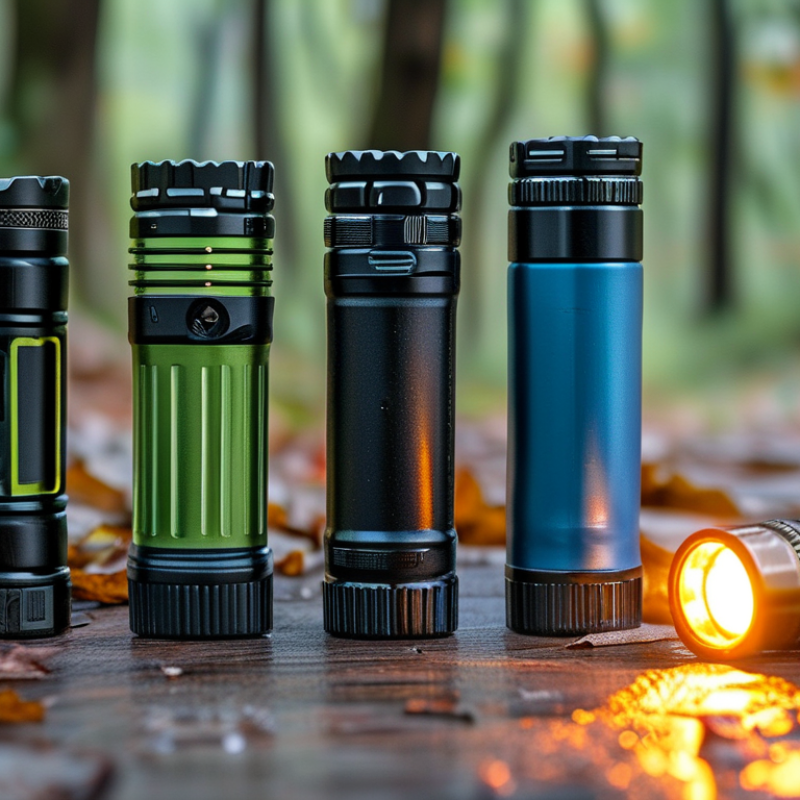
Understanding the Benefits of Rechargeable Flashlights
Rechargeable flashlights have gained popularity for many compelling reasons. One significant benefit is their cost-effectiveness over time. Unlike disposable batteries, which require constant replacement, rechargeable options provide sustained use. A rechargeable flashlight can last for years, significantly reducing the waste produced from used batteries. This longevity makes them a more sustainable choice.
In addition to environmental benefits, rechargeable flashlights often offer superior performance. Many feature brighter LED lights with longer runtimes. Users can recharge them easily using USB ports, ensuring they are ready when needed. However, some might find the initial investment higher.
It can be challenging to compare performance without firsthand experience. Understanding personal needs is crucial. While some may prefer the simplicity of disposables, others might embrace the efficiency of rechargeables. Each choice has its merits, inviting reflection on preferences and lifestyles.
Comparing Cost-Effectiveness of Rechargeable vs. Disposable Flashlights
When considering the cost-effectiveness of rechargeable flashlights versus disposable ones, it's essential to look beyond initial prices. Rechargeable flashlights typically require a higher upfront investment, but they offer significant long-term savings. Over time, the cost of buying batteries for disposable flashlights can add up. A rechargeable flashlight can last for years, reducing the need for frequent replacements.
Rechargeable models also present environmental benefits. Disposable batteries contribute to waste. Their disposal can harm the environment. In contrast, rechargeable flashlights reduce waste and often come with a longer lifespan. These flashlights can be used in various situations, from home usage to outdoor adventures. The versatility adds to their value, making them a sound investment.
However, it’s important to note some downsides. Rechargeable flashlights depend on access to power sources. In remote areas, recharging may be challenging. Furthermore, the batteries used in rechargeable flashlights can degrade over time. Users might experience decreased performance after several charge cycles. Weighing these factors can help in making an informed choice when deciding between rechargeable and disposable flashlights.
Analyzing Environmental Impact: Rechargeable vs. Disposable Options
The environmental impact of rechargeable flashlights is significant compared to disposable options. According to the EPA, Americans discard over 3 billion batteries annually. Many of these batteries end up in landfills, releasing toxic substances. In contrast, rechargeable flashlights can be used for years. One fully charged rechargeable battery can replace hundreds of disposable batteries. This is a powerful statistic that illustrates the long-term benefits of choosing rechargeable solutions.
When selecting a flashlight, consider the materials used in its production. Look for products made from sustainable resources. It's also essential to assess how the flashlight is used. Over time, rechargeable flashlights reduce the overall carbon footprint. A study by the International Journal of Life Cycle Assessment highlights a 33% decrease in greenhouse gas emissions with rechargeable batteries.
Tips: Opt for LED technology in rechargeable flashlights. LEDs last longer and consume less energy. Always recycle old batteries and flashlights properly. Small actions, when accumulated, contribute to a healthier environment. Consider your local regulations for battery disposal. A mindful approach to flashlight selection creates a positive ripple effect.
2026 How to Choose Rechargeable Flashlights Over Disposable Ones? - Analyzing Environmental Impact: Rechargeable vs. Disposable Options
| Criteria |
Rechargeable Flashlights |
Disposable Flashlights |
| Initial Cost |
Higher upfront cost |
Lower upfront cost |
| Lifetime Cost |
Lower over time |
Higher over time |
| Environmental Impact |
Less waste, reusable |
More waste, single-use |
| Battery Replacement |
Rechargeable batteries |
Disposable batteries |
| Performance |
Consistent performance, longer run time |
Decreasing performance as battery depletes |
| Convenience |
Requires charging, may need power source |
Instant use, readily available |
| Durability |
Typically more durable |
Varies, often less durable |
Evaluating Performance: Brightness, Battery Life, and Durability
When choosing between rechargeable flashlights and disposable ones, performance is key. Brightness affects how well you can see in darkness. Look for lumens as a measure of brightness. Higher lumens mean a brighter light, but consider how the beam pattern works in real scenarios. A flashlight may shine bright, yet it can be ineffective if it doesn't spread light effectively.
Battery life also matters greatly. Rechargeable options can provide hours of continuous use. However, not all rechargeable batteries are the same. Some lose power quickly after a few cycles. Read reviews to understand the longevity of various flashlights and their batteries. A flashlight with a longer battery life offers convenience and less frequent charging.
Durability is essential for any flashlight. Consider materials used in construction. They should withstand drops and harsh conditions. An ideal flashlight is water-resistant or even submersible. Look for impact ratings for better assurance of its toughness.
Tips:
- Test brightness outdoors to see real-life performance.
- Choose models with a good warranty and user reviews.
- Keep an eye on battery health. Regularly inspect for signs of wear.
Selecting the Right Type of Rechargeable Flashlight for Your Needs
Selecting the right rechargeable flashlight involves understanding your specific needs. Different activities require varying levels of brightness and durability. For instance, outdoor enthusiasts may prefer flashlights with a higher lumen output and rugged construction. A flashlight with at least 300 lumens is generally suitable for camping, while tactical or law enforcement applications may need at least 1,000 lumens. According to the U.S. Department of Energy, LED flashlights use up to 80% less energy than traditional incandescent ones, making them a more sustainable option.
Battery life is another critical factor. Rechargeable options often have built-in lithium-ion batteries, which can last for hundreds of charge cycles. The National Renewable Energy Laboratory states that these batteries can ensure reliable performance for about three to five years. Yet, some users may find that over time, battery efficiency declines. It’s essential to assess your usage patterns. If you often forget to recharge, a model with a quick-charge feature can help mitigate this issue.
Weight and size are also significant. A lightweight flashlight is easier to carry, especially for hikers or emergency kits. However, this often means sacrificing battery life or durability. Reflecting on how you plan to use the flashlight can help in making the best choice. Balancing these factors can lead to a solution that meets both your immediate needs and long-term expectations.
Conclusion
In the article "2026 How to Choose Rechargeable Flashlights Over Disposable Ones?", the focus is on the advantages of selecting rechargeable flashlights in comparison to their disposable counterparts. What are the benefits of rechargeable flashlights over disposable ones? Firstly, rechargeable flashlights offer significant cost-effectiveness in the long run, as they eliminate the need for frequent battery replacements. Additionally, these flashlights contribute positively to environmental sustainability by reducing battery waste.
The article also evaluates performance factors such as brightness, battery life, and durability, highlighting that rechargeable models generally provide superior reliability and longevity. By understanding the different types of rechargeable flashlights available, users can better align their purchasing decisions with their specific needs, ensuring they choose an efficient and eco-friendly lighting option.

 Glow Flashlight