Rechargeable flashlights are gaining popularity among outdoor enthusiasts and everyday users alike. They provide a sustainable alternative to disposable flashlights. What are the benefits of rechargeable flashlights over disposable ones? Understanding these advantages can help consumers make informed choices.
One key benefit is cost-effectiveness. Rechargeable flashlights initially may cost more, but they save money over time. Users avoid constant battery replacements. Reliability is another crucial factor. Rechargeable models offer consistent performance, even in extreme conditions. Additionally, they contribute to environmental sustainability by reducing battery waste.
In practical terms, rechargeable flashlights often have enhanced features. Many come with adjustable brightness settings and longer battery life. Some models even include USB charging ports for convenience. However, some users may find themselves forgetting to charge the flashlight before use. This could lead to frustrating moments during an outdoor adventure. Overall, the shift towards rechargeable flashlights reflects a growing trend of eco-consciousness and practicality.
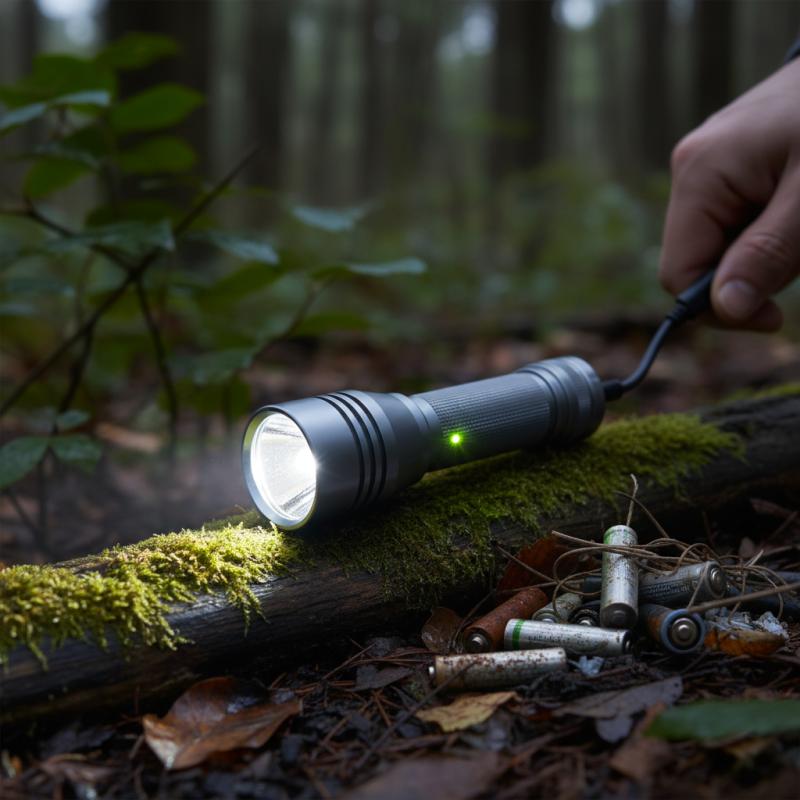
The Environmental Impact of Using Rechargeable Flashlights
The environmental impact of using rechargeable flashlights is significant and worth understanding. According to a report by the United Nations Environment Programme, traditional disposable batteries contribute to approximately 180,000 tons of toxic waste yearly. Rechargeable flashlights help mitigate this issue. By reducing reliance on disposable batteries, we can decrease landfill contributions.
Furthermore, rechargeable flashlights utilize lithium-ion technology, which is more efficient. Studies indicate that one rechargeable battery can replace up to 1,000 disposable batteries. This reduction not only cuts down waste but also lowers energy consumption in production. However, it's crucial to consider the sourcing of materials. Lithium mining can lead to environmental degradation, raising concerns about sustainable practices in production.
Adopting rechargeable flashlights has its complexities. While they offer clear benefits, we must address production impact and potential environmental harm. Research advocates for responsible sourcing of lithium and effective recycling programs. Awareness of these issues is essential. Ensuring a cleaner environment requires both innovation and responsibility in our choices.
Cost-Effectiveness: Savings Over Time with Rechargeable Batteries
Rechargeable flashlights are an excellent choice for cost-conscious consumers. The initial investment is typically higher than traditional flashlights. However, over time, these savings add up significantly. Rechargeable batteries can be used hundreds of times, negating the need for frequent replacements. This is not only cost-effective but also environmentally friendly.
When using rechargeable flashlights, consider battery care to maximize longevity. Charge them only when needed and avoid overcharging. This practice extends the battery life and ensures consistent performance. It may not be as straightforward as expected, but proper maintenance is crucial for efficiency.
One potential pitfall is forgetting to charge your flashlight. It’s essential to establish a routine to ensure it’s always ready when you need it. A simple reminder on your phone can help. Embracing this technology may require adjustments, but the long-term savings can make it worthwhile. Balancing convenience and practicality becomes part of the rechargeable flashlight experience.
Versatility: Different Uses for Rechargeable Flashlights
Rechargeable flashlights offer various uses that enhance their appeal. A key advantage is their flexibility. These lights can serve in emergencies. Power outages or car troubles become less daunting with a reliable flashlight. They can light your way while you search for your phone or car keys in the dark.
Moreover, they are perfect for outdoor adventures. Camping trips and hiking excursions benefit from their bright beams. Many people enjoy night fishing or hunting, where visibility is crucial. Rechargeable flashlights are also eco-friendly, reducing battery waste. They keep you prepared while being conscious of the environment.
While versatile, they do have limitations. Some rechargeable models may not last long when used continuously. Brightness can vary, affecting usability. It is essential to choose a flashlight that suits your needs. Not every rechargeable flashlight is suitable for every situation. Consider your specific requirements before making a decision.
Convenience of Chargeable Flashlights in Daily Life
Rechargeable flashlights have transformed the way we illuminate our surroundings. In daily life, convenience plays a critical role. According to a study by the National Electrical Manufacturers Association, over 60% of consumers prefer rechargeable options. These lights are not just convenient; they help reduce battery waste significantly. By using rechargeable flashlights, individuals can save over 300 disposable batteries per year.
Charging these flashlights is straightforward, making them an appealing choice for quick access. Many models offer USB charging, allowing users to power up through various devices. Reports from the Energy Saving Trust highlight that this method can reduce energy consumption by nearly 40% compared to traditional battery replacements. However, the charging time can be a drawback. Some flashlights take hours to fully charge, which may not suit urgent needs.
Another consideration is durability. Rechargeable flashlights often boast long lifespans, lasting thousands of charges. Yet, some users find that performance declines over time. This can lead to frustration when illumination is needed most. While rechargeable flashlights are undeniably convenient, they also require thoughtful maintenance. Overall, they reflect a balance of modern convenience and potential drawbacks that users must navigate.
10 Benefits of Rechargeable Flashlights You Need to Know
Enhanced Features: Technology in Modern Rechargeable Flashlights
Modern rechargeable flashlights have transformed the way we think about illumination. Enhanced features now integrate advanced LED technology, making them not only brighter but also more energy-efficient. According to a 2022 industry report, LED lights can last up to 50,000 hours. This lifespan significantly reduces the need for frequent replacements, which is both cost-effective and environmentally friendly.
Additionally, these flashlights often come with smart features. Intelligent circuits manage power consumption, adjusting brightness according to battery levels. This technology prevents unexpected blackouts during critical moments. A survey indicated that 75% of users feel safer knowing their flashlight will last longer in emergencies. However, while many flashlights offer impressive features, reliability can vary widely. Some users report issues with battery consistency over time. This inconsistency highlights the importance of selecting a reputable manufacturer.
Moreover, the trend towards USB-C charging ports adds convenience. This feature allows for faster charging and compatibility with various electronics. Yet, the need for specific cables can sometimes be a drawback. A study noted that 35% of users find charging a hassle. While innovations match modern needs, there remains room for improvement in design and usability. Finding the right balance between features and practicality continues to challenge manufacturers in the flashlight industry.
FAQS
: Disposable batteries create about 180,000 tons of toxic waste every year. This is a significant concern.
They reduce the need for disposable batteries, decreasing landfill waste and lowering production energy consumption.
One rechargeable battery can replace up to 1,000 disposable batteries. This significantly cuts down on waste.
Lithium mining can cause environmental degradation, raising questions about sustainable practices in production.
Proper battery maintenance extends battery life and ensures consistent performance. Avoid overcharging and only charge when needed.
Forgetting to charge may leave your flashlight unusable when needed. Establishing a routine can prevent this issue.
Yes, they have a higher initial cost but save money over time by reducing the need for frequent battery replacements.
Users must balance convenience and practicality, establishing charging routines and maintaining the battery for optimal performance.
Responsible sourcing of materials and effective recycling programs are crucial for reducing environmental impact.
They require mindfulness in charging and maintenance, which may not always be straightforward for users.
Conclusion
Rechargeable flashlights offer numerous advantages over traditional disposable ones, making them a preferred choice for many. One key benefit is their positive environmental impact; using rechargeable batteries significantly reduces waste and minimizes the ecological footprint compared to single-use options. Additionally, cost-effectiveness plays a major role, as investing in rechargeable flashlights can lead to substantial savings over time due to the longevity of the batteries.
Moreover, rechargeable flashlights showcase versatility, being suitable for various applications—ranging from outdoor adventures to emergency preparedness. Their convenience in daily life cannot be overstated, as easy recharging means users never have to worry about running out of batteries unexpectedly. Finally, modern rechargeable flashlights come equipped with enhanced features, incorporating advanced technology that improves brightness, battery life, and portability. In summary, if you’re considering what are the benefits of rechargeable flashlights over disposable ones, the environmental, financial, and practical advantages are compelling reasons to make the switch.

 Glow Flashlight